

A&S Research News
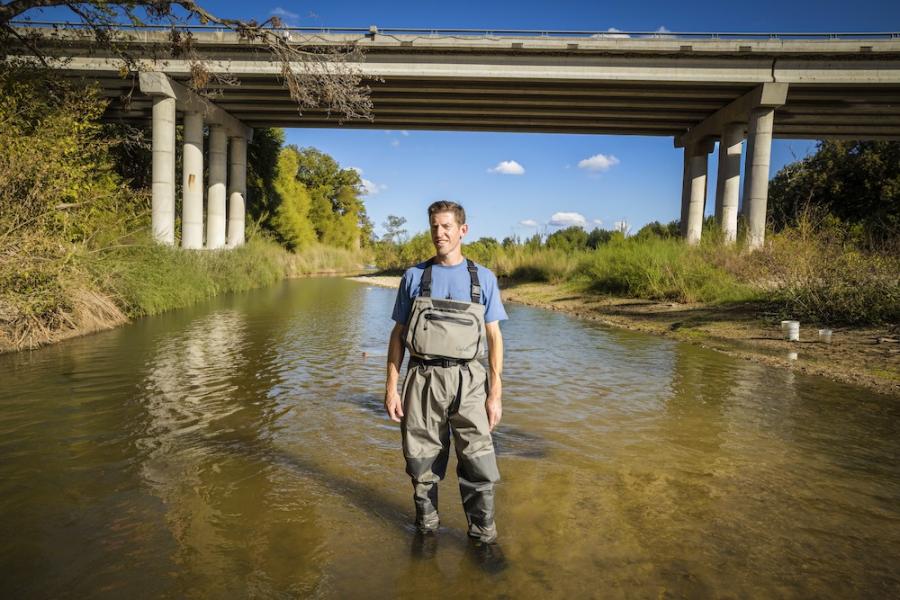
As Texas communities continue to grow, Baylor researcher Ryan McManamay is helping leaders, landowners and residents envision what that growth could mean for the resources, landscapes and communities that make Texas distinct.
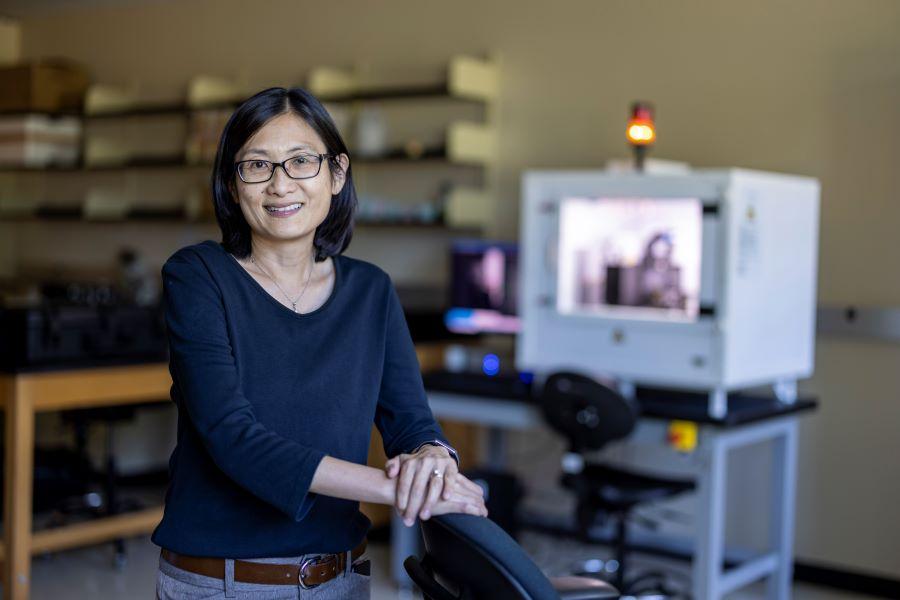
As Texas invests in advanced manufacturing, semiconductor technologies and quantum innovation, Julia Chan, Ph.D., is helping create the materials that could make those ambitions possible.

Baylor University is set to launch an innovative study examining how NIL opportunities are transforming the experiences, character development and well-being of collegiate student-athletes.

New research from Baylor University finds that today's U.S. college students are getting fewer days of sufficient sleep than students did at the beginning of the 21st century.

When NASA’s Nancy Grace Roman Space Telescope launches this Sunday, Aug. 30, Baylor astrophysicist Benjamin Rose, Ph.D., will be there to witness history.
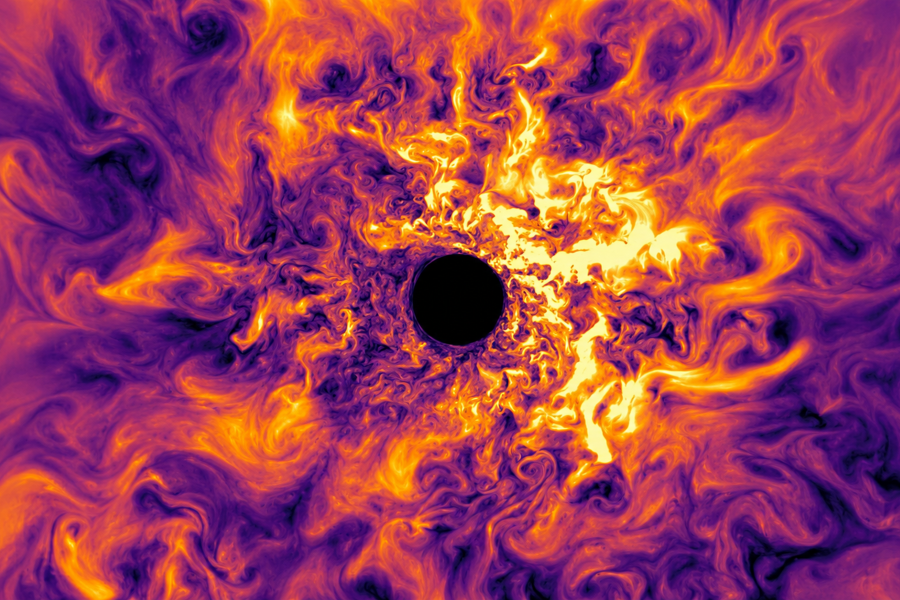
Baylor University is part of a $30 million NSF Science and Technology Center focused on understanding turbulence, a complex phenomenon with applications in fusion energy, astrophysics and hypersonic flight.
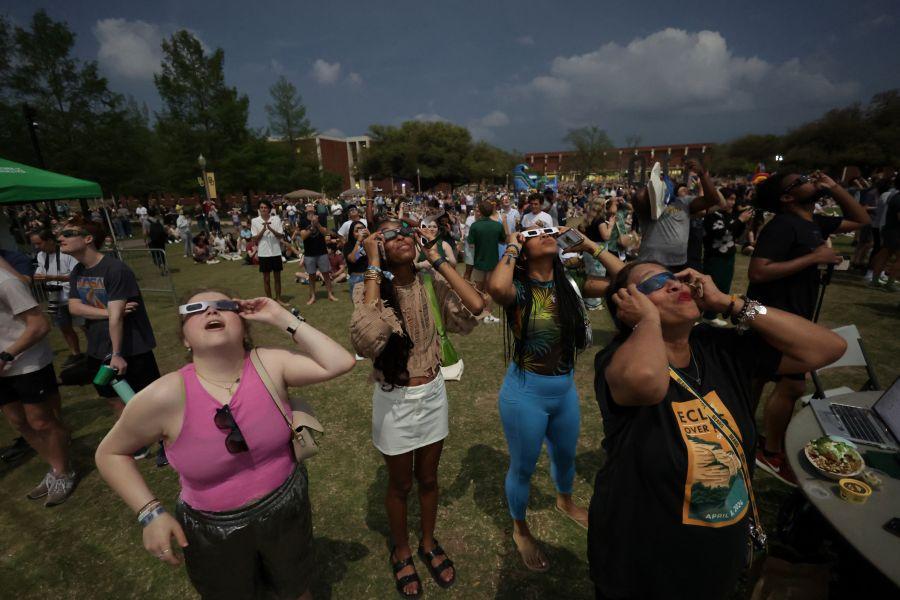
As mainland Europe witnessed a total solar eclipse Aug. 12, Baylor researchers reported that viewing the 2024 U.S. eclipse increased awe and positive emotion, especially when experienced with others.

Stamey, the former chair of the Department of Statistical Science in the College of Arts & Sciences, will serve a three-year term as associate dean beginning August 15.
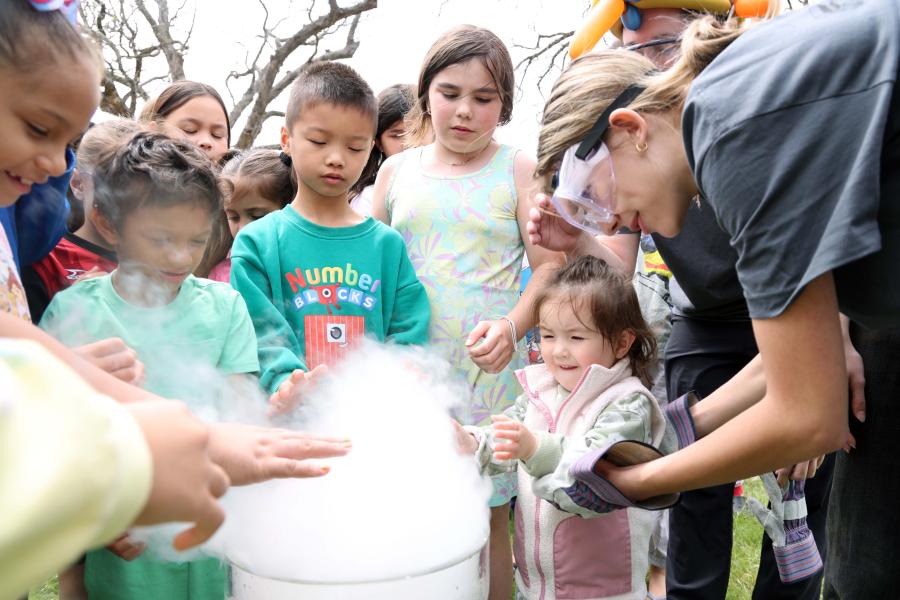
Baylor faculty and students are collaborating with the Mayborn Museum to display their research in fields ranging from sleep science and water conservation to native peoples and space exploration.
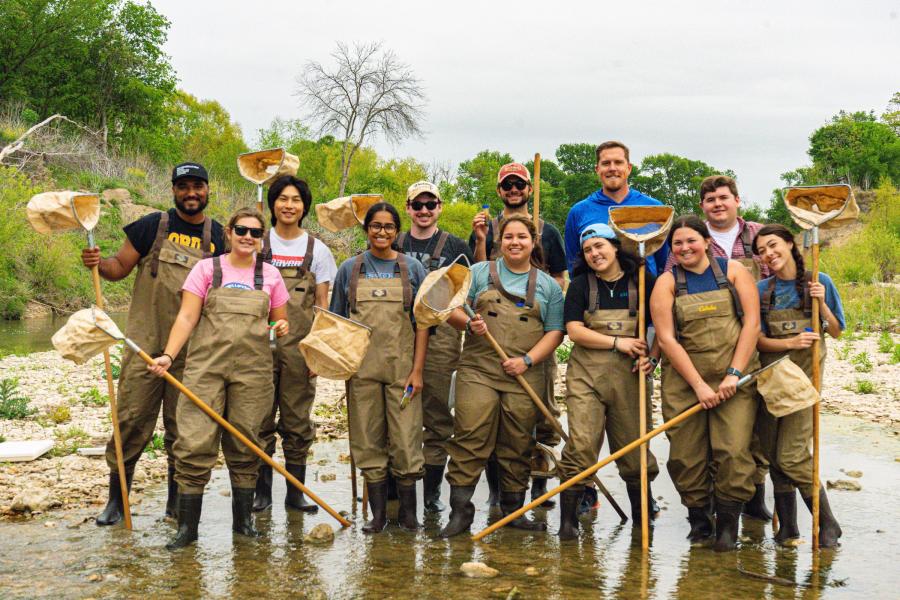
The goal of the new certificate program is to provide students with a well-rounded experience, providing them with real skills that they can take into the fast-growing field of sustainability, or use to apply for graduate programs.
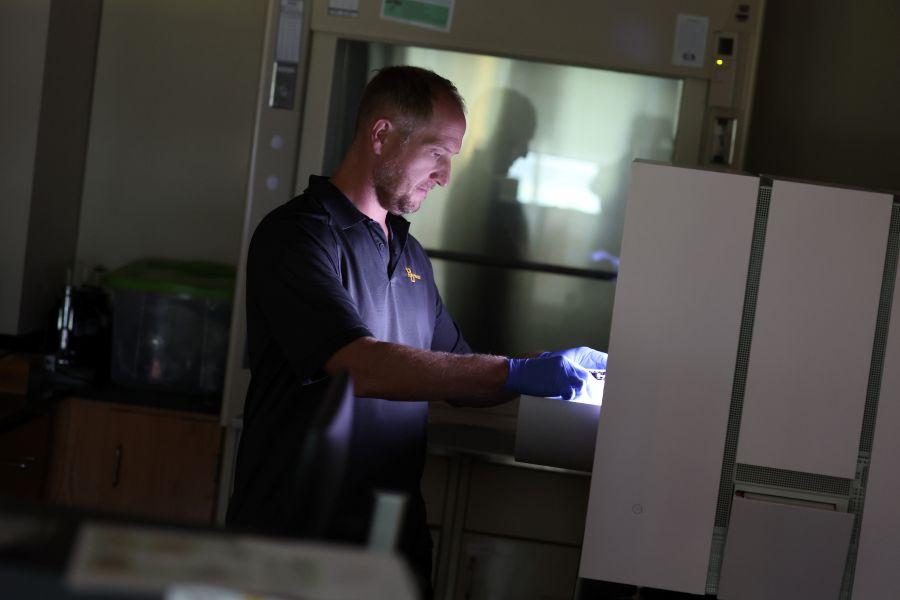
Baylor University’s strength in the field of microbiome research is rapidly growing, promoting ways to help humans enjoy healthier guts, which in turn promotes healthier people.
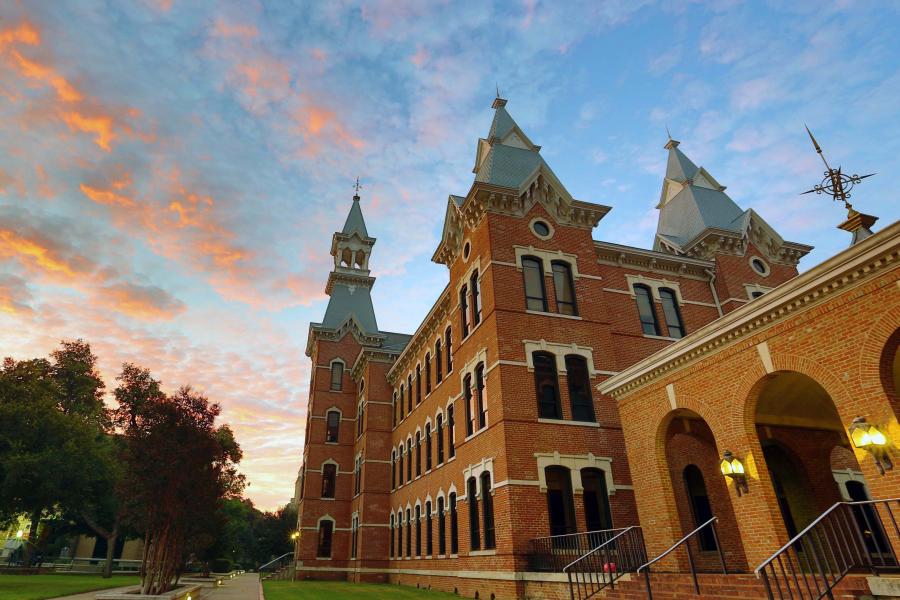
Baylor’s College of Arts & Sciences has a firm foundation of excellence as it changes leadership this year.

Baylor University is proud to announce that the TEDxBaylor University talk – “The Eight-Hour Sleep Challenge During Finals Week” – by Michael K. Scullin, Ph.D., has been selected as an Editor’s Pick.
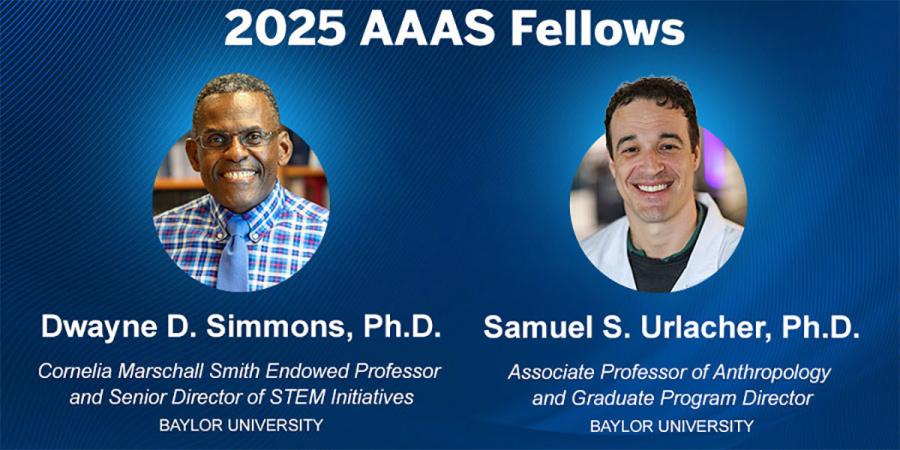
In the science community, being named as a fellow by the American Association for the Advancement of Science (AAAS) is one of the more prestigious professional nods a researcher can achieve — not unlike election to a hall of fame in the world of sports.
Past AAAS Fellows include names like Thomas Edison and W.E.B. DuBois, along with a roster of scientists who have made significant contributions to their field. That list includes four current Baylor faculty, two of whom — Dr. Dwayne Simmons (biology) and Dr. Samuel Urlacher (anthropology) — were named among the 2025 class of AAAS Fellows.

It's National Cancer Research Month, and Baylor researchers are leading the way on trailblazing approaches to effective therapies for some of the most aggressive cancers.
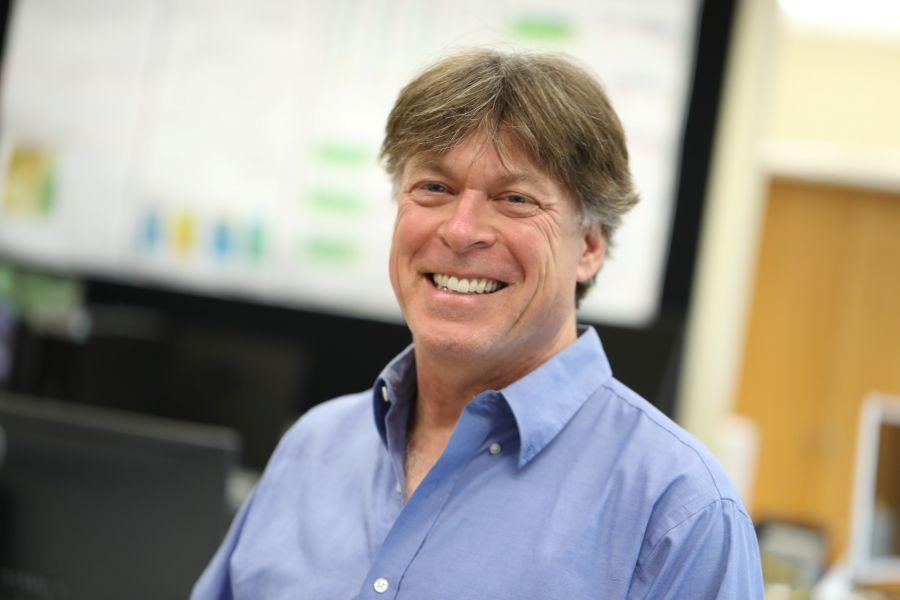
Jay Pulliam, Ph.D., will explore Antarctic ice shelf dynamics and the ancient geological connection between Antarctica and Africa.
The School of Earth and Environmental Sciences in the Baylor University College of Arts & Sciences will make its formal debut on June 1, 2026. The new School involves an historic merger of two current departments within Arts & Sciences –– Geosciences and Environmental Sciences.
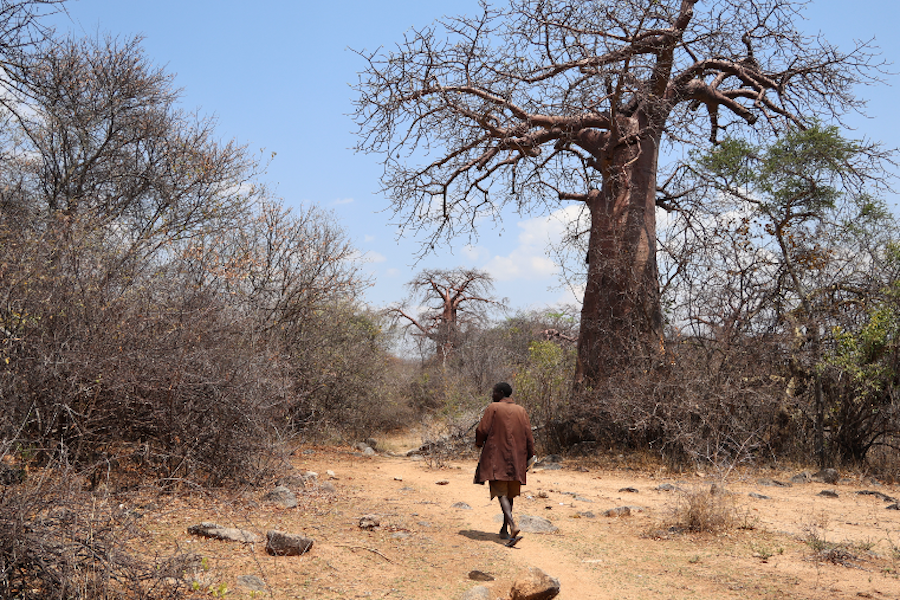
Baylor anthropologist Duncan N.E. Stibbard-Hawkes, Ph.D., led a study of the Hadza and found that relatively equal outcomes are often maintained through “demand sharing.”
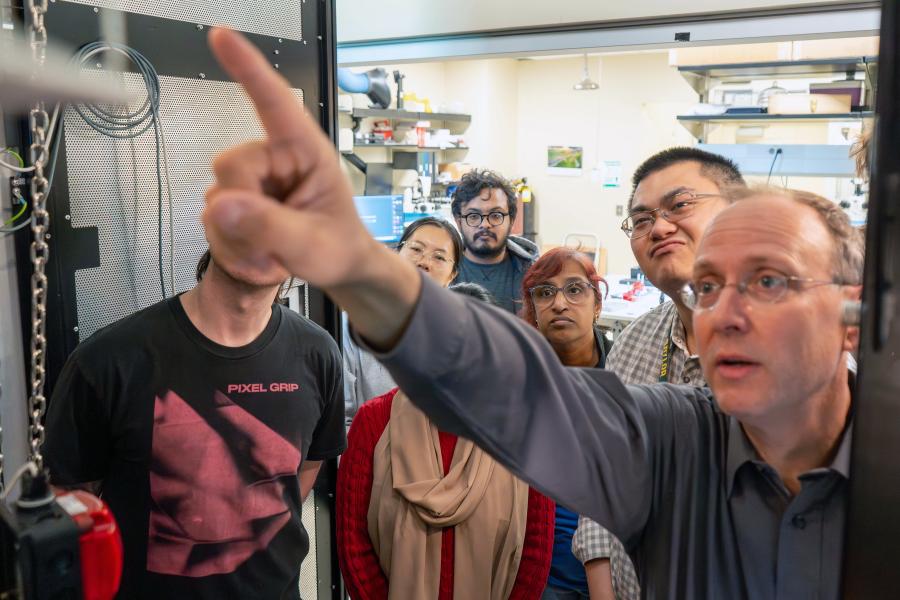
At Baylor’s Center for Microscopy and Imaging, the Transmission Electron Microscope is helping scientists visualize structures at an entirely new scale — aiding innovative research in fields from cancer and virology to materials science and environmental systems.
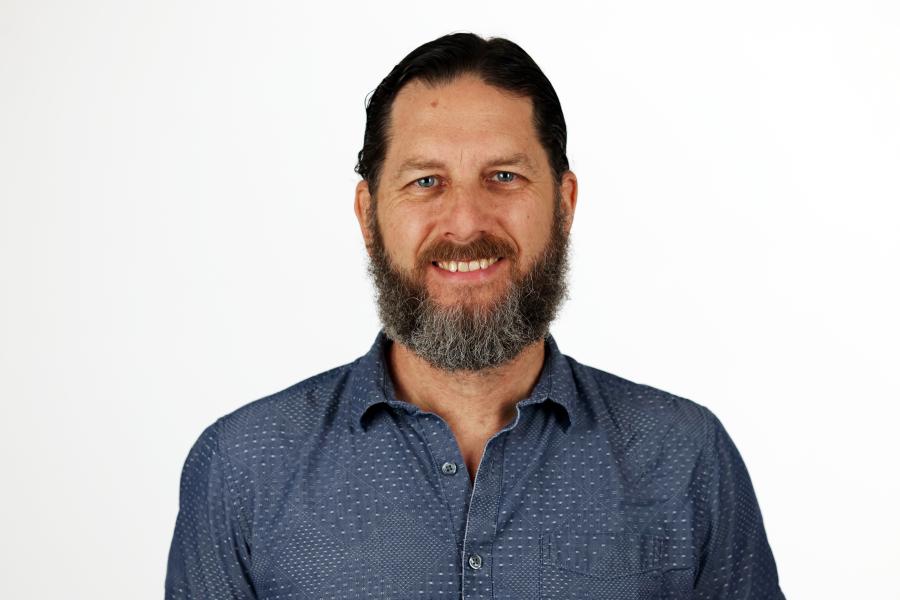
Dr. Alexander J. McNair, associate professor of Spanish in the College of Arts & Sciences, is one of two Baylor faculty members who have been selected to receive the 2026 Centennial Professor Awards for their proposed research projects over the next academic year.

Baylor researchers Corey P. Carbonara, Ph.D., and Michael Korpi, Ph.D., led university-industry team to develop 6P’s revolutionary Full Color Range display system
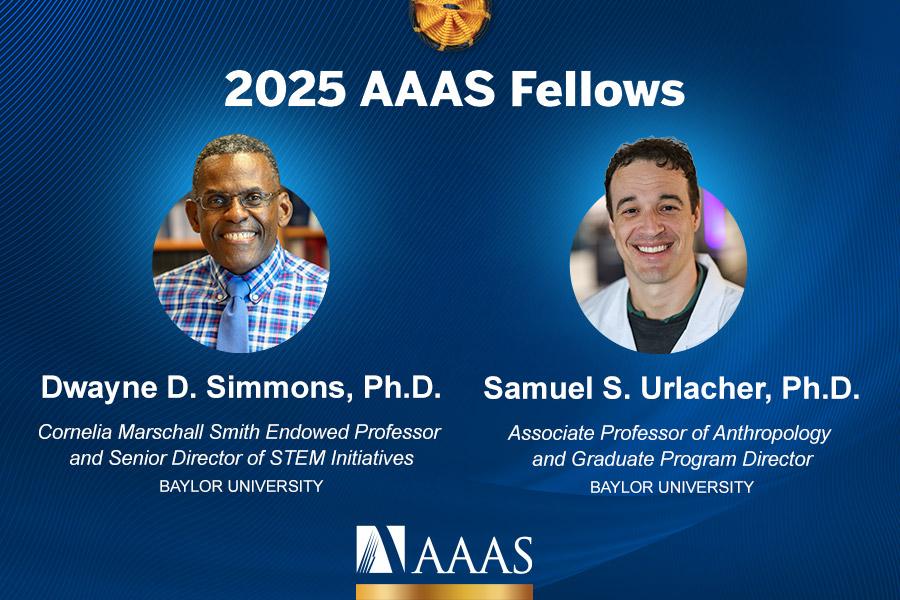
Dwayne D. Simmons, Ph.D., and Samuel S. Urlacher, Ph.D., have been elected to the rank of 2025 AAAS Fellow, a lifetime honor announced today by the Council of the American Association for the Advancement of Science.
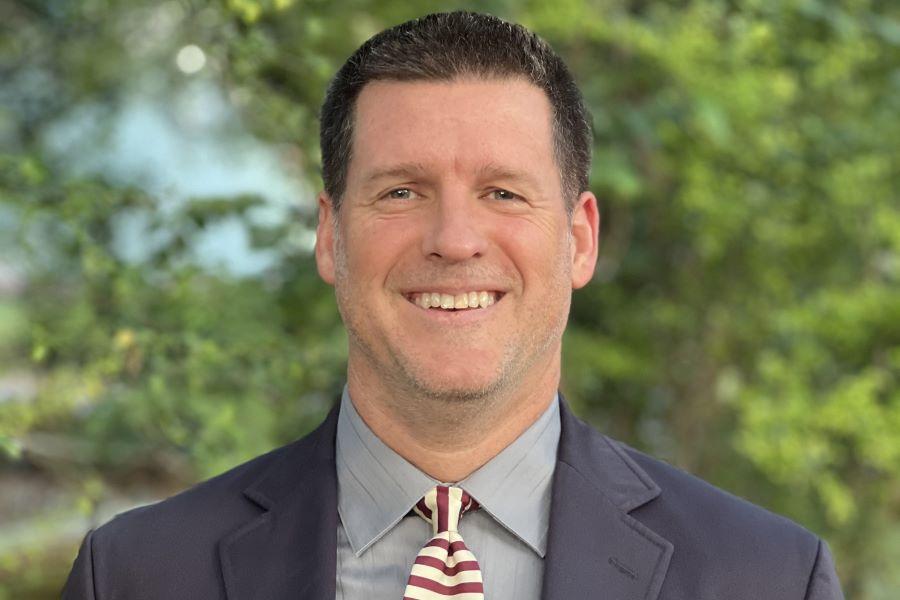
Baylor University has added to its Fulbright success, this time with cancer researcher and molecular biologist Jonathan Kelber, Ph.D., named to the prestigious Fulbright Specialist Program.

Sociologist Christopher M. Pieper, Ph.D., examines how rapidly advancing technologies may reshape the foundations of social life.
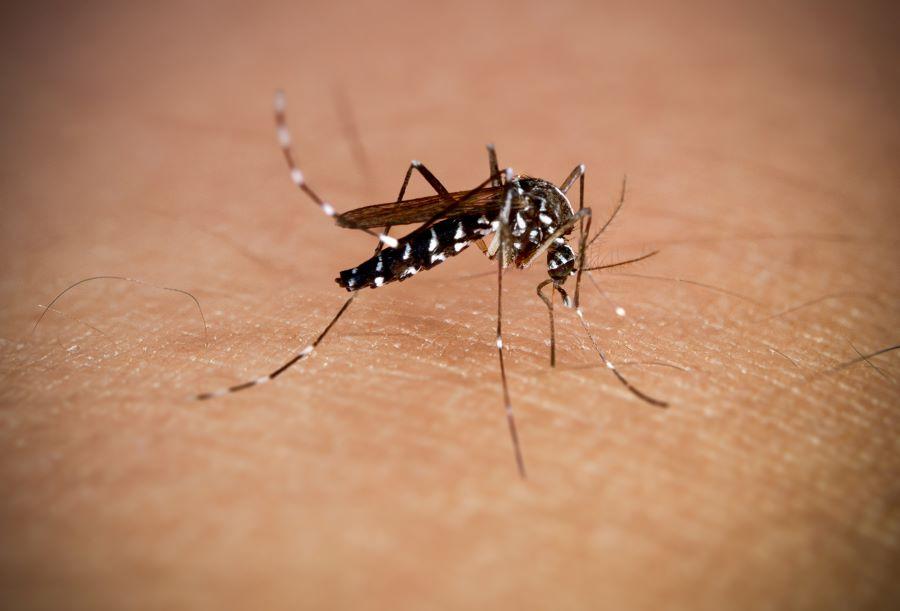
New research shows how a natural plant compound flips a built-in “avoid” switch in the mosquito brain and why that could lead to better repellents
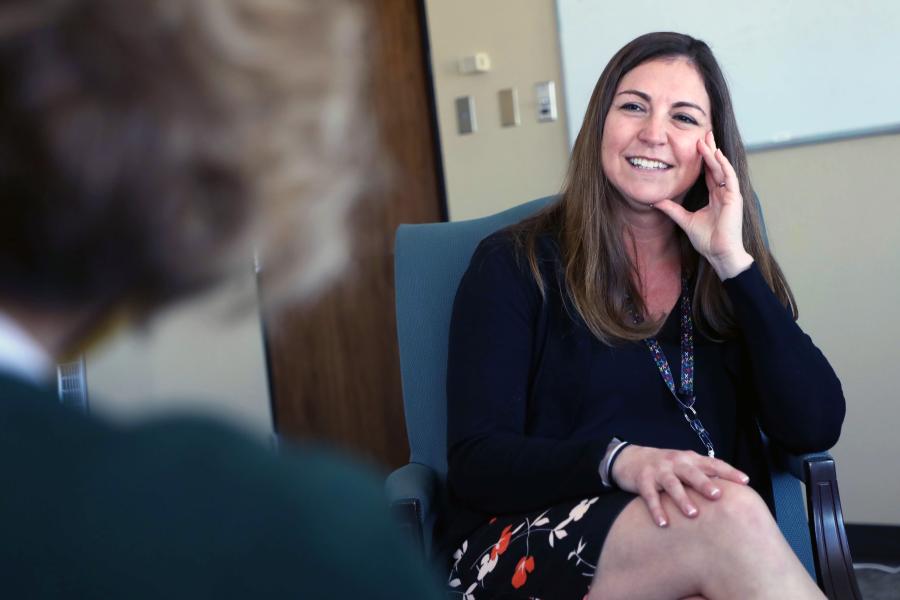
Students gaining experience at the award-winning Baylor Psychology Clinic are promoting mental health care throughout Central Texas.
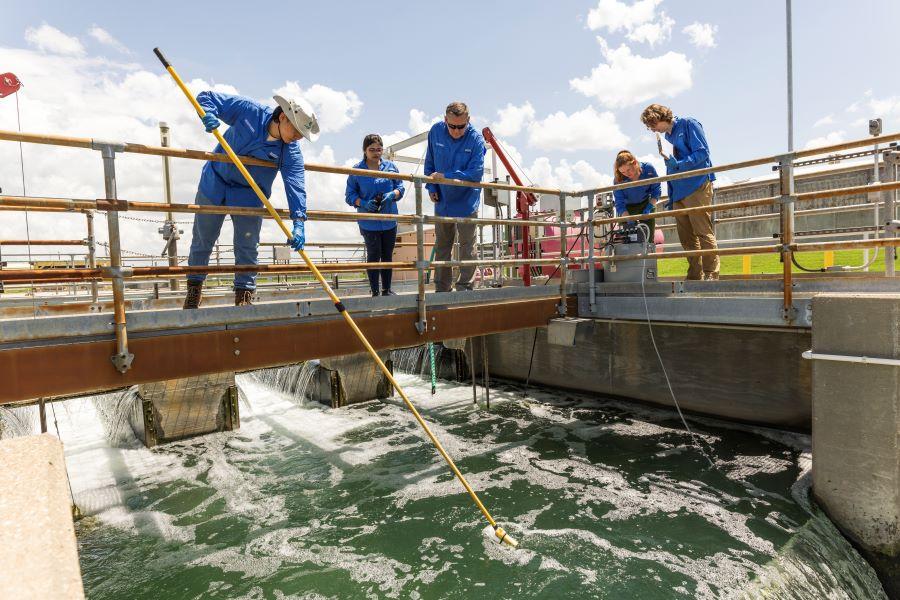
Baylor University, University of South Bohemia scientists measure bioaccumulation in Czech Republic freshwater system above acceptable thresholds.
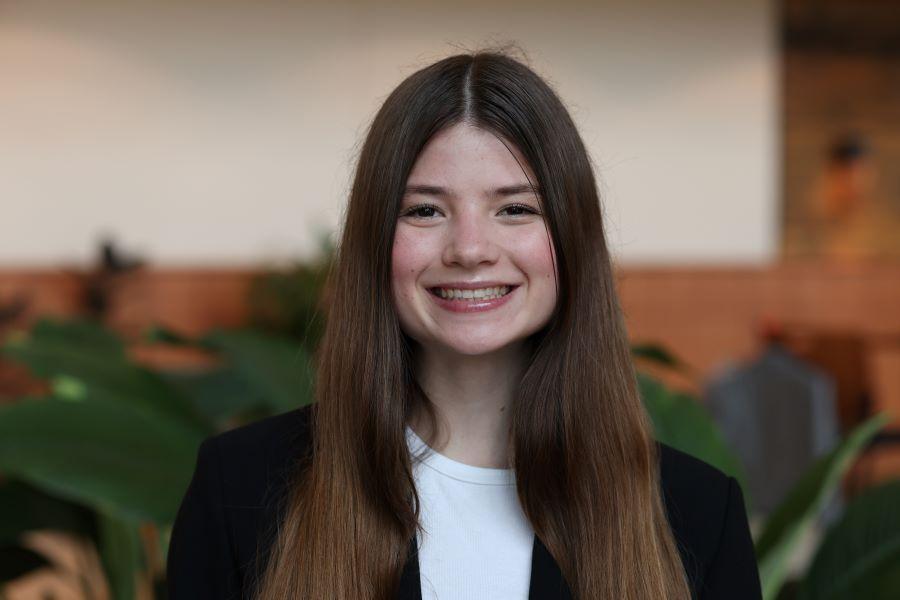
Biology major and Goldwater Scholar Ava Frescura is the only student from Texas selected for the 2026 undergraduate honor
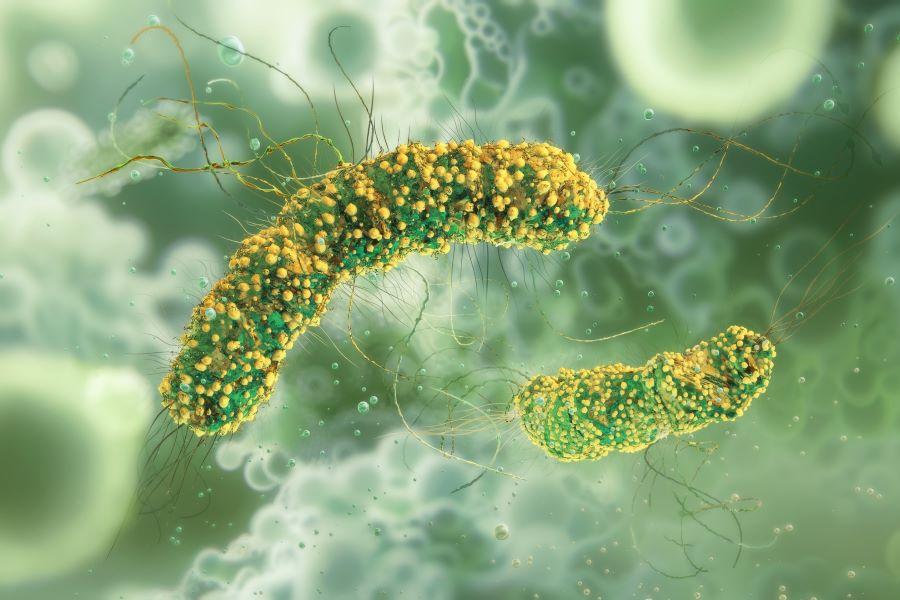
Baylor researchers have published a novel approach to fight colorectal cancer, using modified bacteria as a courier to deliver potent cancer-killing proteins into tumor cells.

Baylor faculty and students are doing important scientific research each year in the Galápagos Islands.
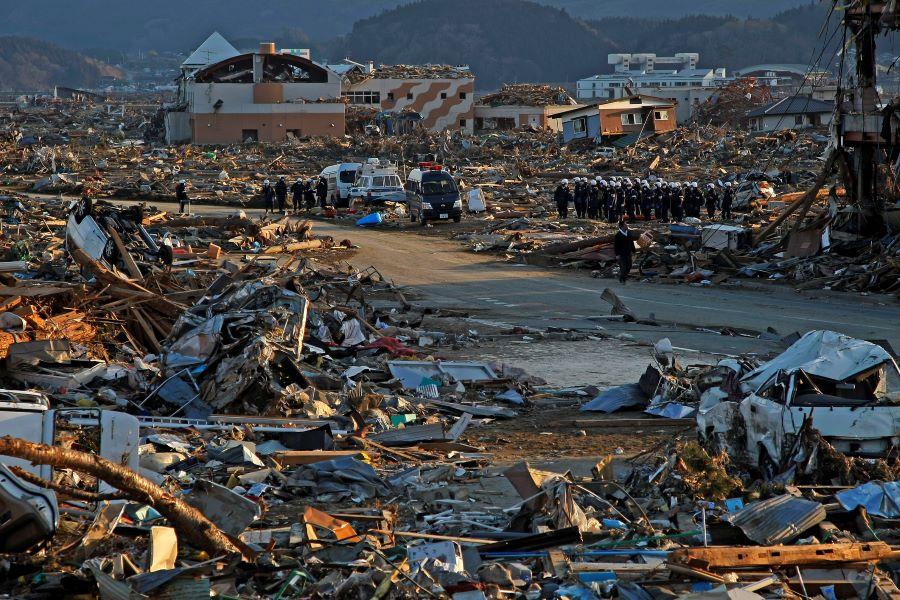
New insights published in the journal Science explain how a paper-thin layer of clay powered Japan’s most destructive earthquake
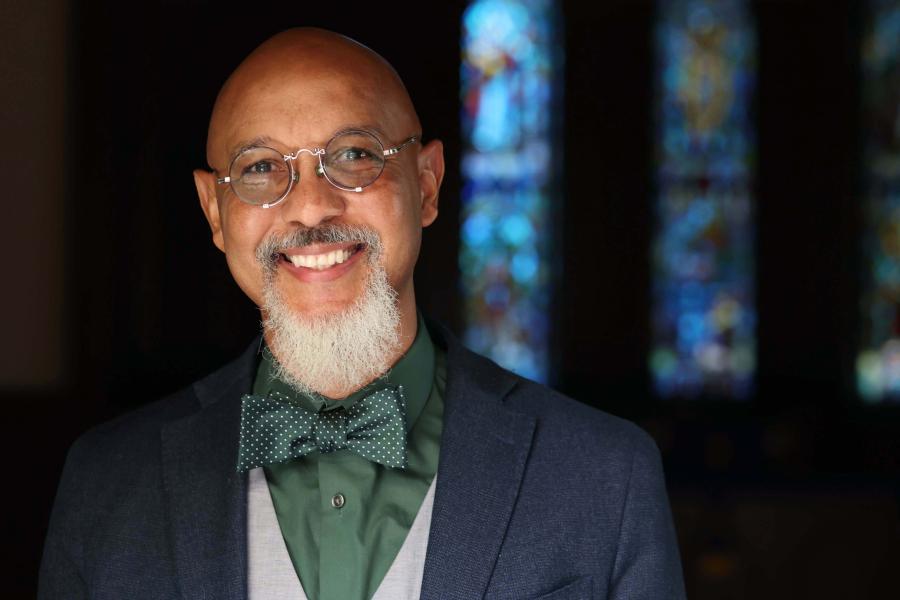
Baylor historian Dr. Ronald Angelo Johnson is embarking on a research project to expand and share the recorded history of early Black Baptists in North America.
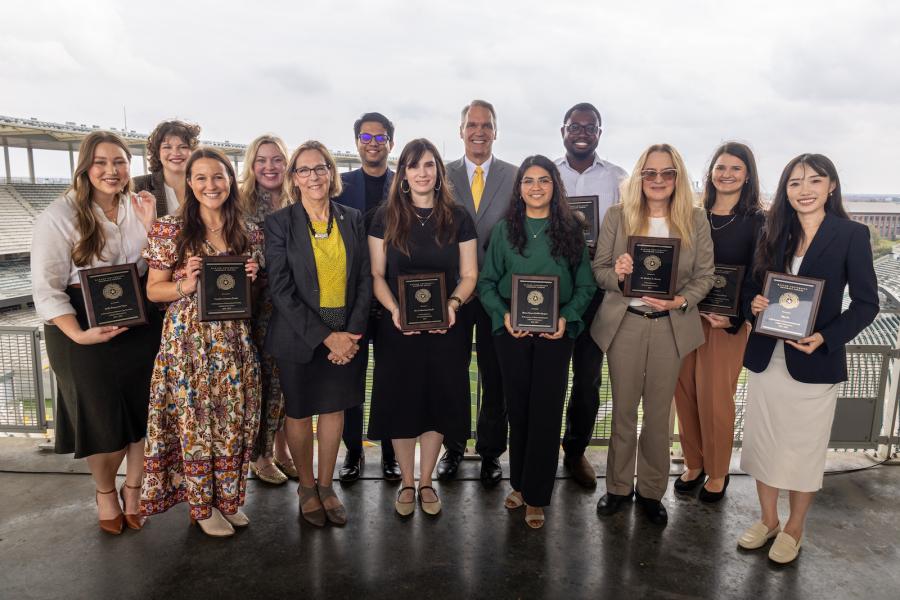
Meet the 2024-25 Baylor University Outstanding Graduate Student award recipients in instruction, research and dissertation.
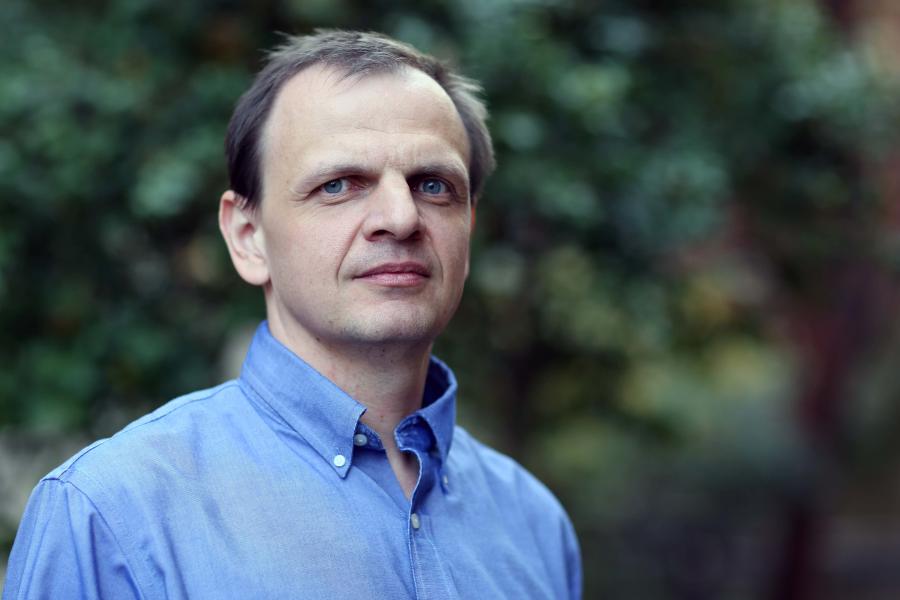
Baylor philosopher Dr. Alexander Pruss has received the 2025 Aquinas Medal, a prestigious honor presented to philosophers who exhibit outstanding teaching, valuable research and significant influence on American philosophical thought.

Commemorating its 20th anniversary with Wave 7 results, the Baylor Religion Survey has evolved into the most comprehensive national survey studying the role of faith in American life.

A new clinical trial led by Baylor's Gary R. Elkins, Ph.D., demonstrates that self-guided hypnosis can decrease hot flash frequency and intensity by over 50%, offering a nonhormonal option for the millions of women.
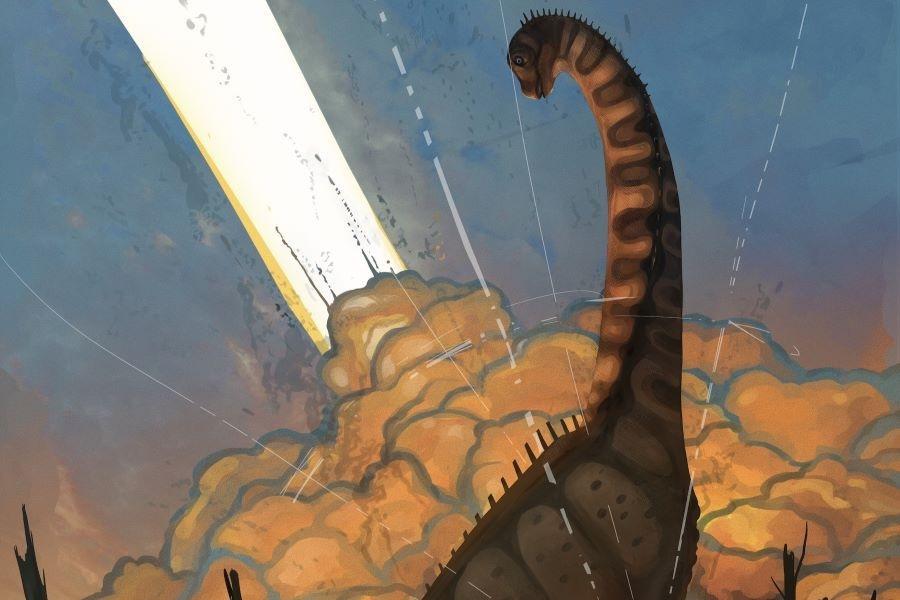
Study challenges long-held assumptions, finding late-surviving dinosaurs lived in vibrant, regionally distinct communities.
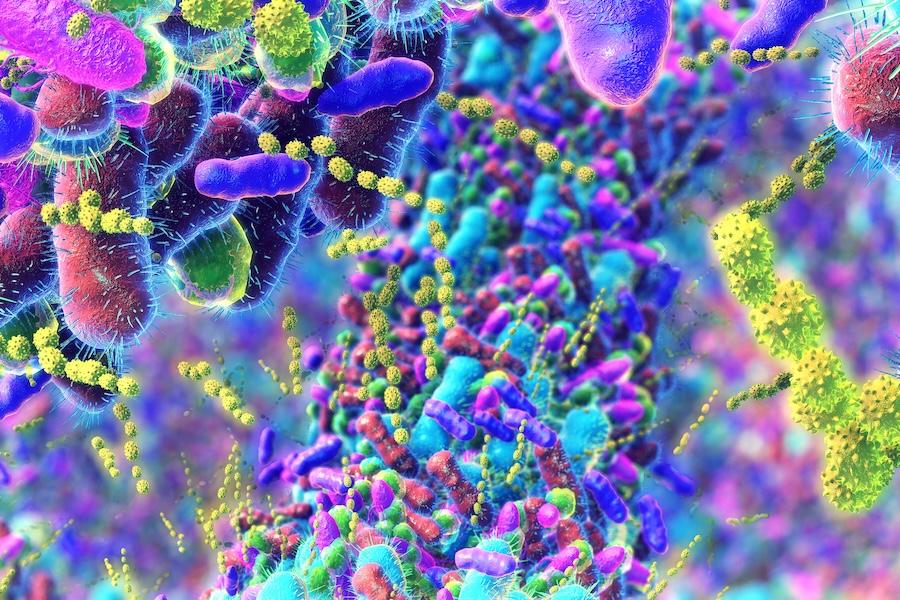
Amid rising antibiotic resistance, the MIGHTY initiative unites top academic and industry partners to develop a rapid, AI-powered platform for precision phage therapies – starting with oral health and expanding to chronic diseases
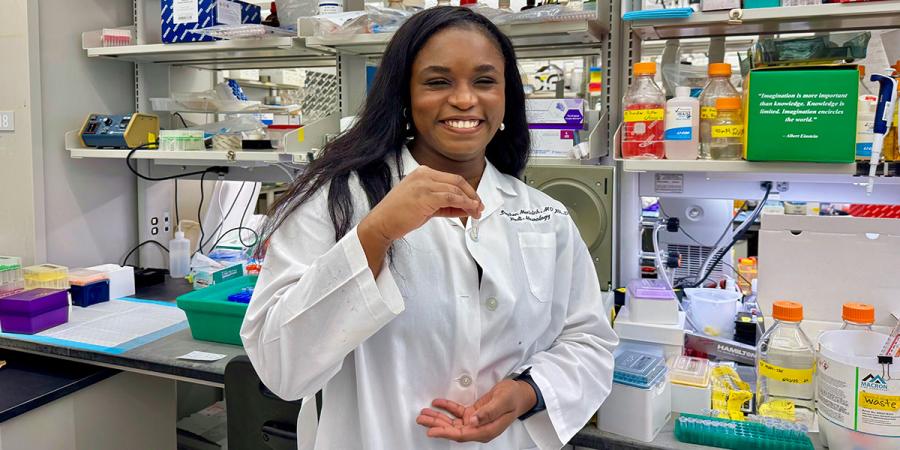
For many Baylor students, summer is a chance for special experiences — whether through internships, study abroad or or mission trips, or research opportunities.
Baylor senior Greatness Adewumi is an example of that last group — a psychology/neuroscience major on the pre-med track whose experience this past summer in Houston has only fueled her desire to delve into medical research.
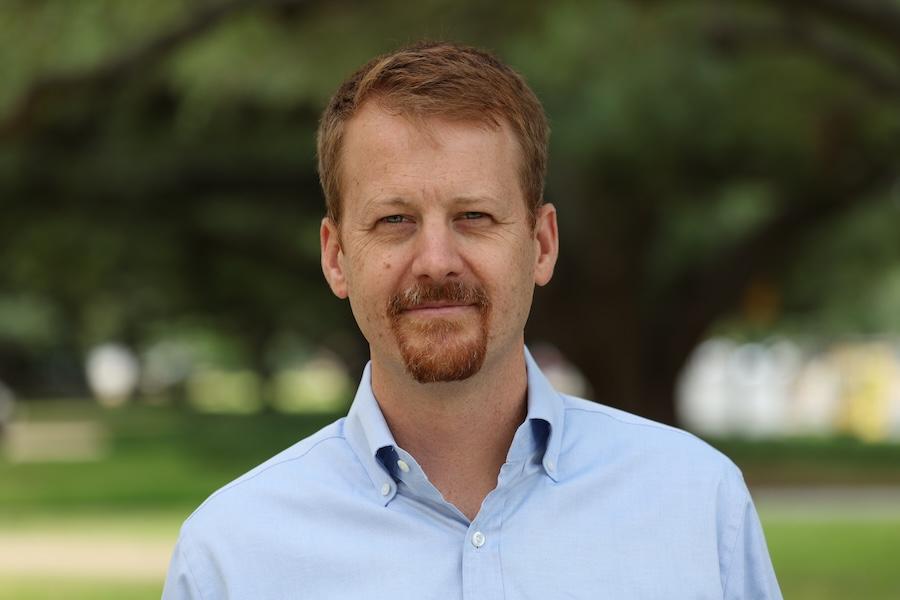
Robert Elder, Ph.D., professor of history at Baylor, has received the prestigious $60,000 Public Scholars grant from the National Endowment for the Humanities (NEH).
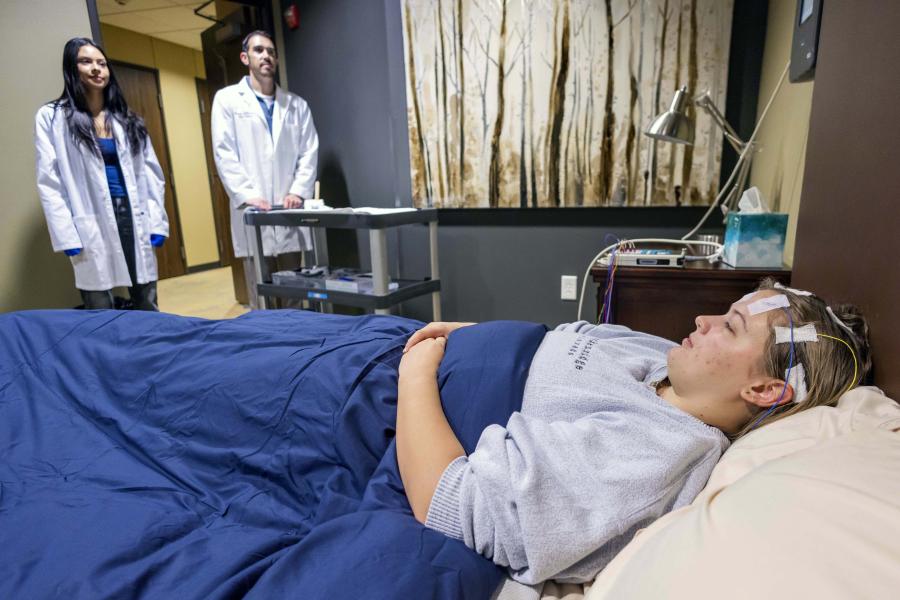
Baylor's Sleep Neuroscience and Cognition Laboratory is using the findings of researchers about rest and human flourishing and sharing those with visitors of all ages in a new Mayborn Museum exhibit.
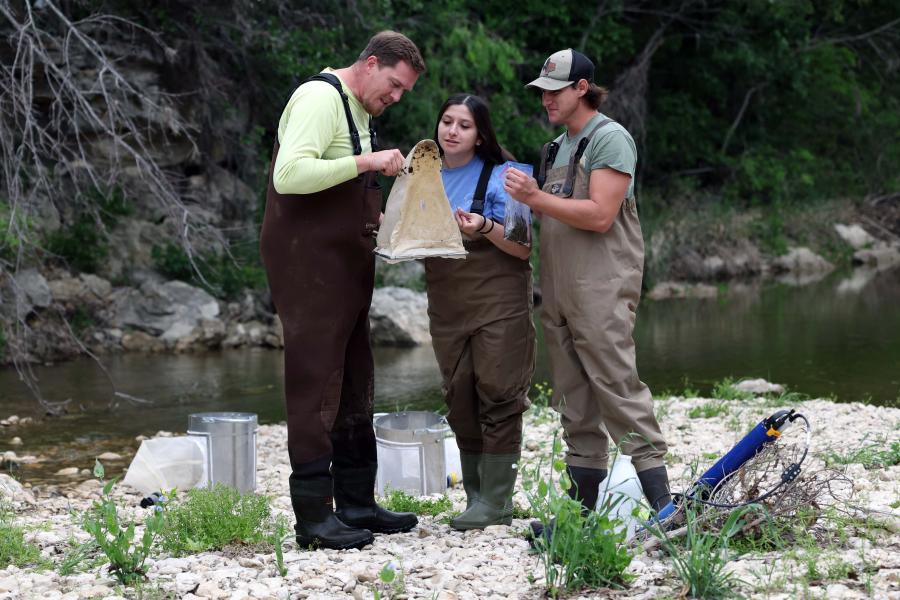
Baylor's Center for Reservoir and Aquatic Systems Research (CRASR) uses a multidisciplinary team of faculty and student researchers to understand, conserve and sustain water systems throughout Texas.
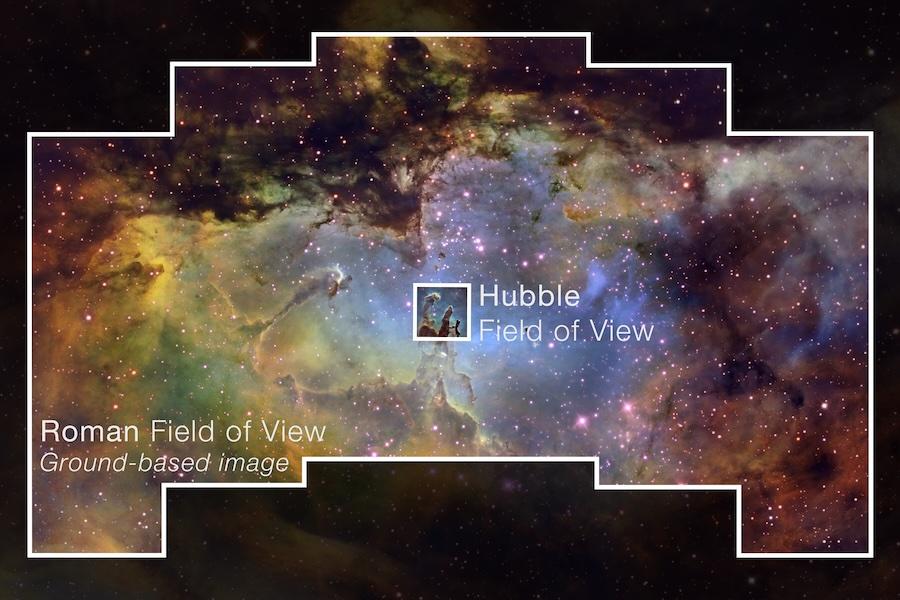
A team of astrophysicists led by Baylor's Benjamin Rose, Ph.D., has released a powerful new simulation previewing the extraordinary discoveries expected from the Nancy Grace Roman Telescope.
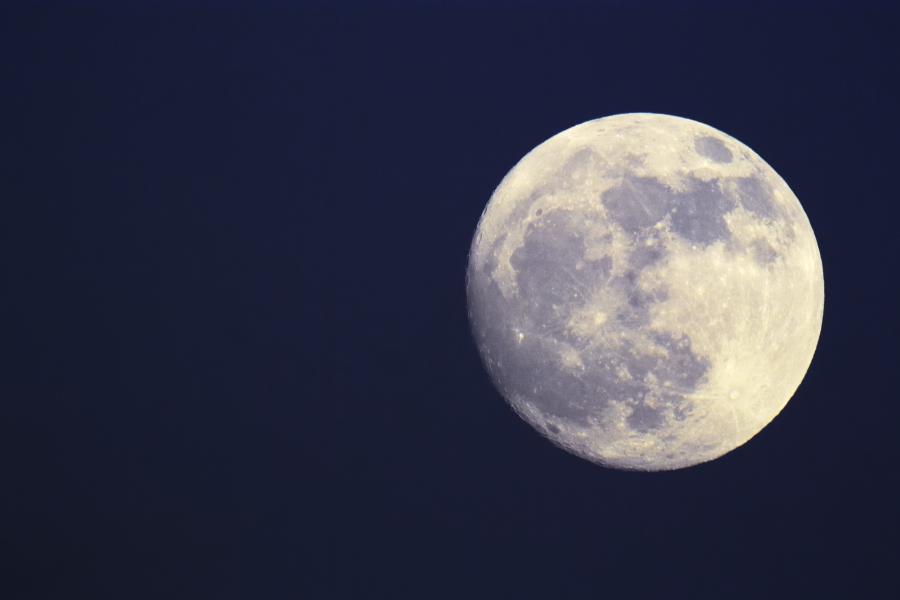
Planetary geophysicist Peter B. James, Ph.D., has been selected to serve on a prestigious NASA Science Definition Team charged with shaping the goals and design of a future robotic mission to the far side of the Moon.
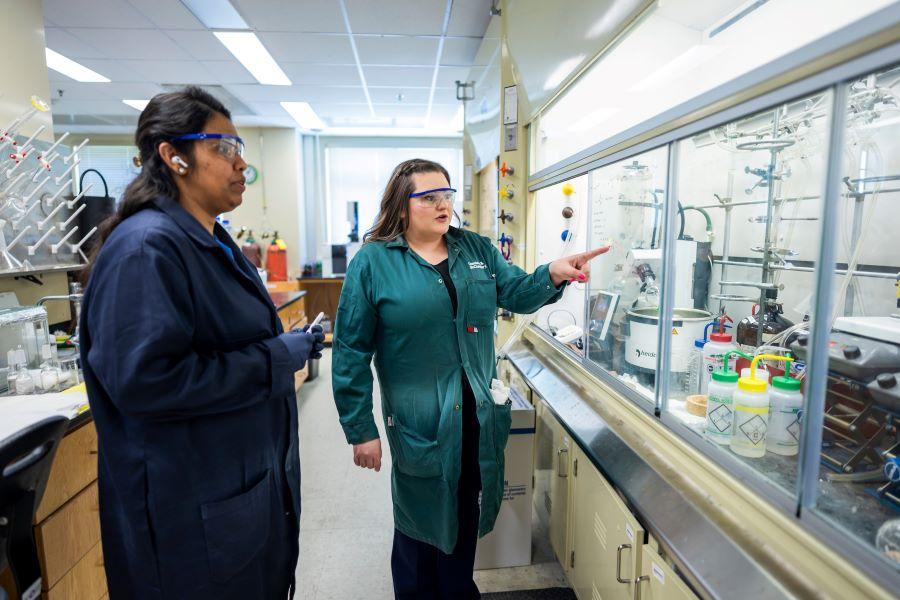
Chemist and cancer researcher Liela Romero, Ph.D., has earned an Early Career Development Award from the National Science Foundation to further the development of new tools for chemical synthesis and drug discovery.
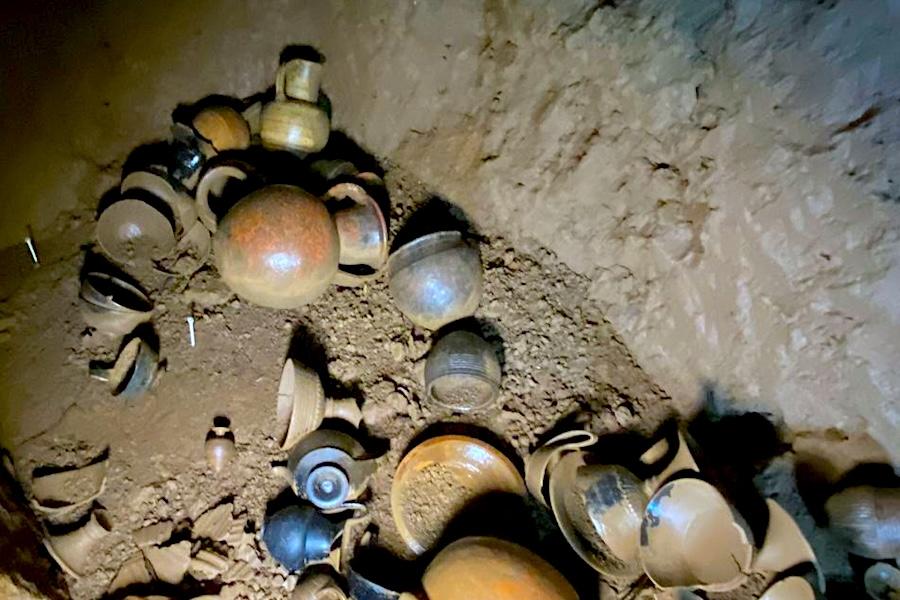
A team of archaeologists, led by Baylor University’s Davide Zori, Ph.D., and the San Giuliano Archaeological Research Project, has uncovered a rare, intact Etruscan chamber tomb in central Italy.
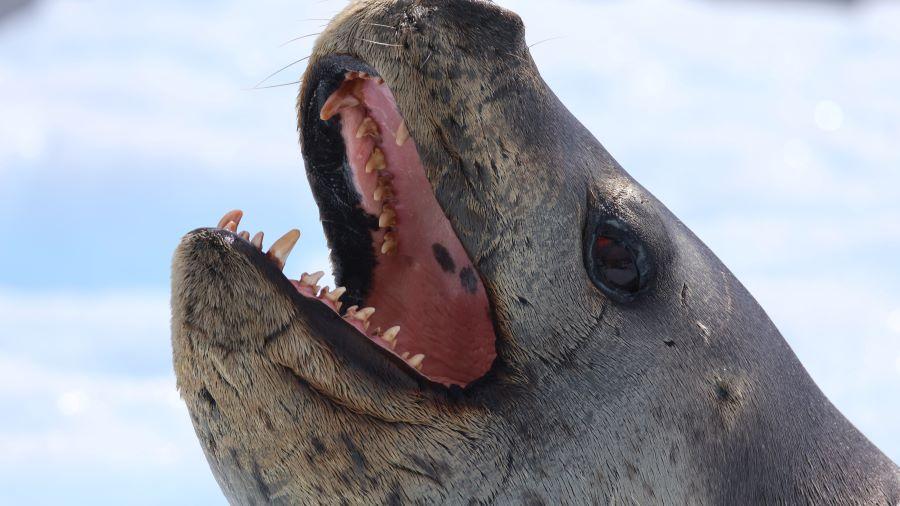
A Baylor-led study analyzed the whiskers of leopard seals to challenge assumptions about the feeding behavior of these apex predators.
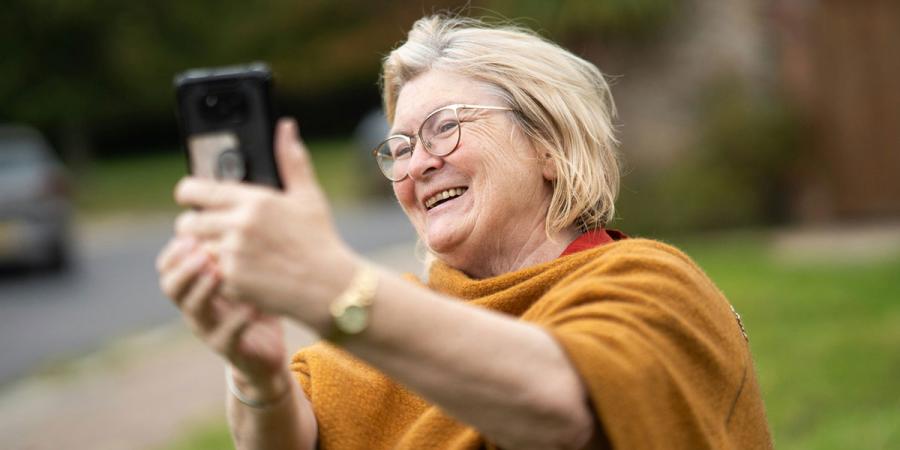
You may have heard friends or family members lament the ubiquity of technology, or bemoan that the ways it changes our interactions with the world could lead to “brain rot” or something similar. (Maybe you’ve even said that yourself).
Dr. Michael Scullin, an associate professor of psychology and neuroscience at Baylor, set out to see if such fears are warranted — and his findings have earned international attention.
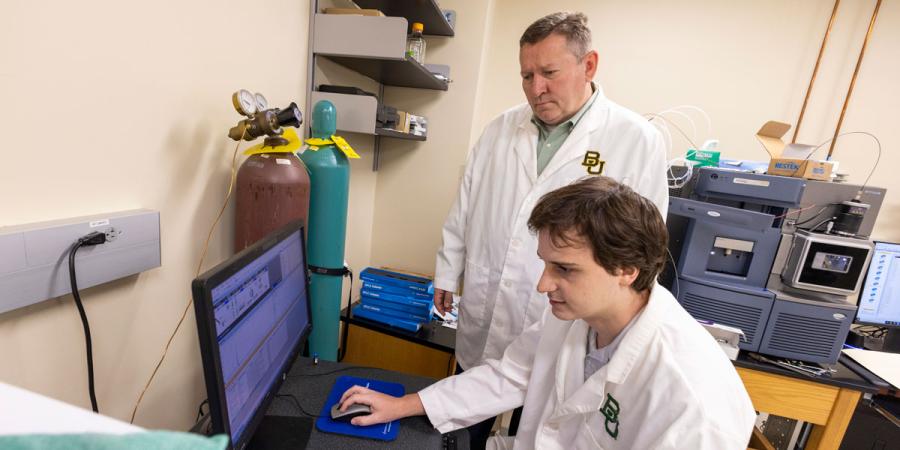
Among the many draws to Baylor University is the chance to learn from elite faculty members at a Christian research university.
There are plenty of ways to measure this, from having dozens of faculty recognized among the nation’s most cited researchers to the University’s attainment of a top-30 national ranking for both undergraduate teaching and research. Another sign of Baylor’s elite faculty: the many researchers recognized as fellows in their fields.
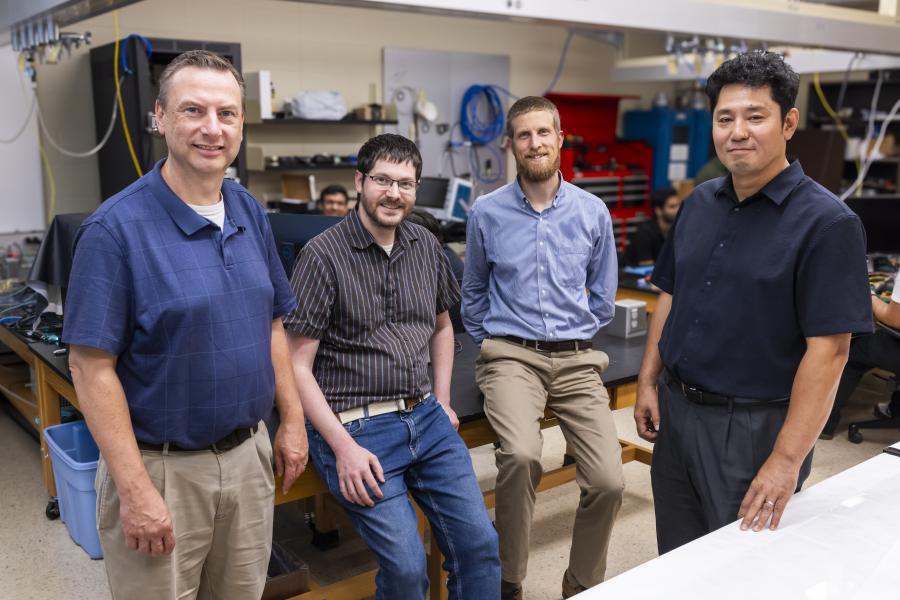
International prize recognizes CERN collaborators, including four Baylor physicists, for groundbreaking discoveries at the Large Hadron Collider in Geneva, Switzerland.