

Baylor Students Interested in Publishing Careers Now Have Additional Opportunities to Learn Their Craft
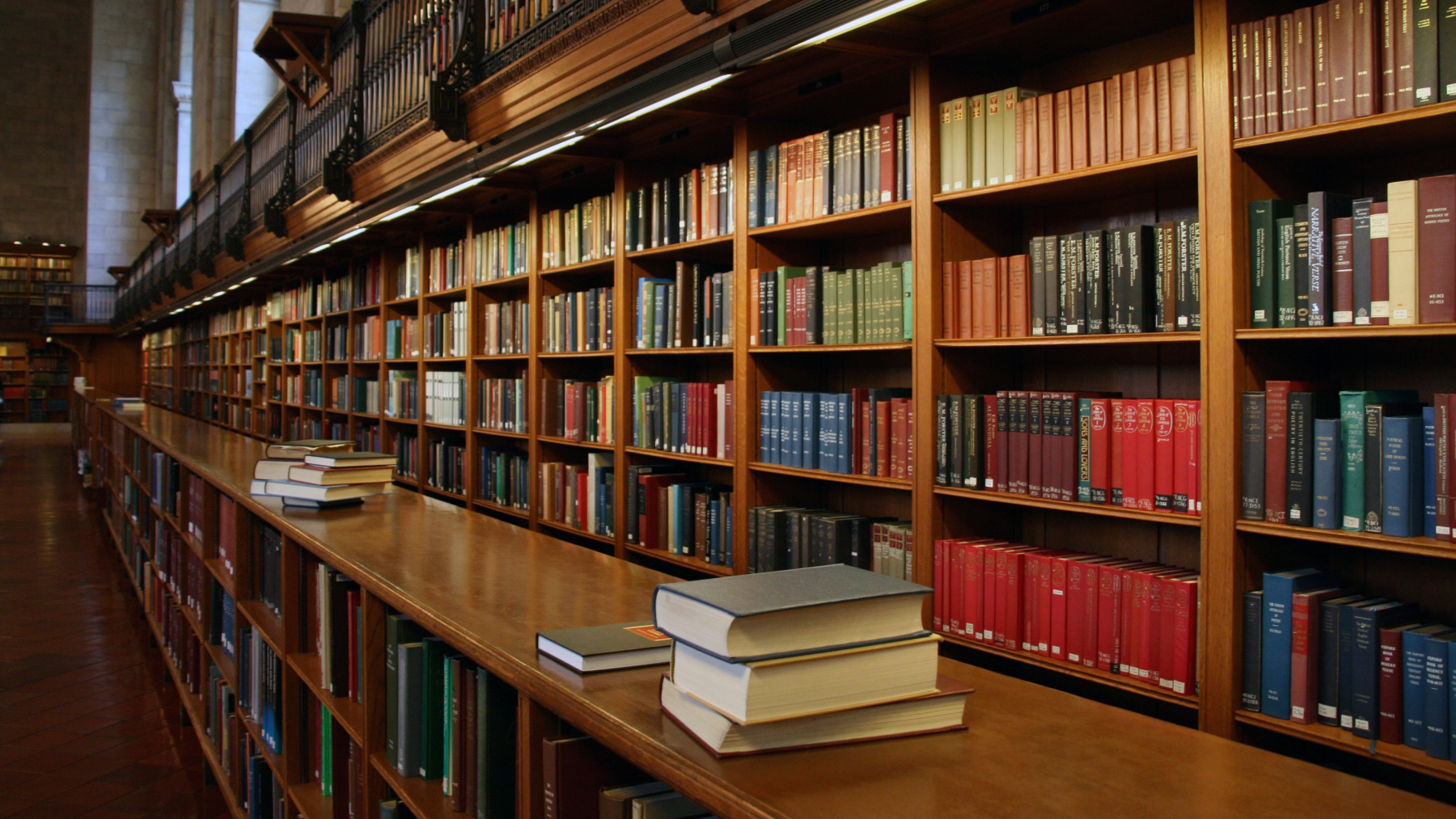
The new Certificate in Literary Editing and Publishing and a new literary journal will give students invaluable hands-on experience
Two additions this fall to the offerings of the Department of English in the Baylor University College of Arts & Sciences will provide students interested in exploring careers in editing and publishing with both guidance and practical experience.
Starting this fall, students will be able to earn the new Certificate in Literary Editing and Publishing by completing 12 hours of required coursework. Six hours must come from two of three upper-level courses in the English department –– Literary Editing and Publishing, Editing and Publishing and Publishing the Literary Magazine.
Three hours of coursework must come through completing one of 23 different creative writing courses in the English department, which include classes on writing poetry, fiction and nonfiction, as well as classes addressing drama and screenwriting.
The final three hours required for the certificate require the completion of practical training through one of 12 courses –– some offered through the Hankamer School of Business –– covering topics such as accounting and entrepreneurship, or courses within the College of Arts & Sciences dealing with modern English grammar, graphic design for non-art majors, professional and workplace writing, and writing for new media markets.
Comprehensive training
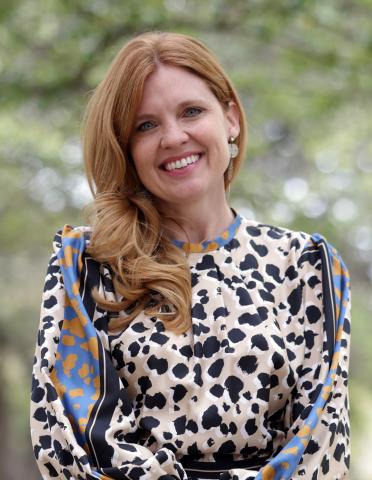
Dr. Ginger Hanchey, senior lecturer in English and director of literature and creative writing in the Department of English, said the new certificate reflects a growing interest among Baylor students in the field of publishing.
“It’s a burgeoning area. The certificate will allow our students to think about literature, and experience the joy and pleasure of literature and learn more about the genre, while at the same time build practical skills and investigate pathways after Baylor to jobs in the field,” she said. “It’s very appealing to students because they will get the best of both worlds –– theory and practice.”
Hanchey said even students who are interested in creative writing, but who haven’t yet shown an interest in publishing and editing, can benefit through completing the certificate.
“It would be a great thing for creative writers who are wondering if they can make it in that field. Taking our creative writing and publishing classes will help them not only encounter more beautiful pieces of art, but make decisions about why it is art and why it is good,” she said. “The certificate pairs well with students who want to go into a creative writing field later and possibly earn a Master of Fine Arts or do a thesis. It should also fit with students who aren’t English majors, but who want to be involved in some way with literature and exercise that part of their creative minds.”
In addition, the certificate should prove valuable to students from a variety of academic disciplines when they go out into the job market.
“It’s something that can easily be interpreted by employers who are looking at a transcript,” Hanchey said. “It says very explicitly, ‘This person has spent a good number of hours thinking about this particular topic, and they have some level of expertise and knowledge.’ It’s not random.”
A new literary magazine
Baylor’s English department is offering another new way for its students to get practical experience in the world of publishing. In the fall of 2026, the department will launch a new international literary magazine called Independence Literary Review. Dr. Laura Biagi, lecturer in English, will teach a course, Publishing the Literary Magazine, that is one of the options for the six hours of required courses to complete the Certificate in Literary Editing and Publishing.
“We will have submissions for the literary magazine from all over the world –– from established and well-known writers, and also from writers who aren’t as well-known. Our students in Dr. Biagi’s class are going to be the ones who set the criteria and decide who’s accepted for publication in each issue,” Hanchey said. “They’ll learn to determine things such as, what should the overarching theme for the magazine be during a particular part of the year? How does making selections for each magazine work, and how should they give feedback to the writers who have submitted pieces? I think it will be an exciting experience for them.”
Hanchey said that working on the new literary journal will give students a different experience from working with other student publications that now exist.
“We have a lot of magazines at Baylor that accept student writing, and they give students exposure to making selections and seeing those works by students published,” Hanchey said. “But we don’t have any magazines like what the Independence Literary Review will be, where students evaluate works from writers outside of the University and make value judgments about what is good and what isn’t.”
The founding of the new literary magazine was made possible through the generosity of Charles Guittard (B.A. ’64) and Nancy Labastida. The Charles Guittard and Nancy Labastida Editing and Publishing Endowed Fund in the Baylor English Department supports the development, production and publication of Independence Literary Review. The magazine is now accepting submissions from writers through its website.
For more information on the Certificate in Literary Editing and Publishing, contact Dr. Ginger Hanchey.
None of the original writing contained in this story was created with the use, in whole or in part, of artificial intelligence (AI).
ABOUT THE COLLEGE OF ARTS & SCIENCES AT BAYLOR UNIVERSITY
The College of Arts & Sciences is Baylor University’s largest academic division, consisting of the School of Earth and Environmental Sciences and 24 academic departments in the sciences, humanities, fine arts and social sciences, as well as 12 academic centers and institutes. The more than 5,000 courses taught in the College span topics from art and theatre to religion, philosophy, sociology and the natural sciences. The College’s undergraduate Unified Core Curriculum, which routinely receives top grades in national assessments, emphasizes a liberal education characterized by critical thinking, communication, civic engagement and Christian commitment. Arts & Sciences faculty conduct research around the world, and research on the undergraduate and graduate level is prevalent throughout all disciplines. Visit the College of Arts & Sciences website.