

Welcome to Our World
A&S student ambassadors play an important role in recruiting new students and helping them succeed at Baylor
A group of talented and motivated undergraduate students is helping departments within the Baylor University College of Arts & Sciences attract and mentor their fellow classmates. As A&S student ambassadors, they play an increasingly important role in both recruiting and retention efforts in the College.
Birth of the program
The student ambassador program within the College of Arts & Sciences began in the academic year 2015-2016, after College administrators realized that interest from prospective students and their parents in making campus visits and learning more about possible fields of study was so great among the largest Arts & Sciences departments that it was putting a strain on the existing system of recruiting.
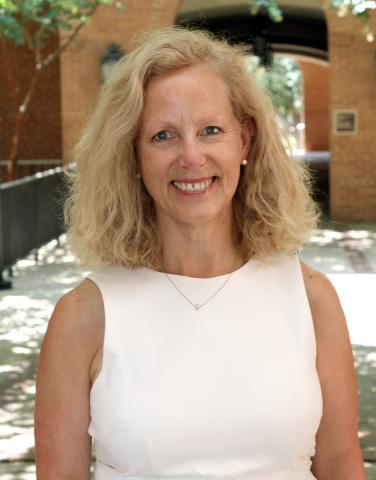
In her position as senior director of undergraduate enrollment initiatives in the College of Arts & Sciences, Dr. Lynn Wisely is focused on three main objectives –– recruiting top students into Arts & Sciences, helping students find success so that they stay at Baylor, and then further helping them to graduate within four years. As she looked for possible ways to connect the considerable talents and energy of students with an increasing need for Arts & Sciences departments to be involved in recruiting and retention efforts, Wisely advocated addressing all of those needs by establishing the Arts & Sciences Student Ambassador program.
“Admissions sought support from Arts & Sciences departments for recruiting events, and our largest departments were being asked repeatedly to bring as many as 10 faculty members to several of these events each year, while other departments were required to bring just one representative. Close to 60 percent of A&S freshman enrollment is spread across only four of our 25 departments,” Wisely said. “My thought was, what if we had our own students in our largest departments help represent their departments alongside the faculty, thus lessening the demand on faculty numbers? Our students are bright, articulate and wonderful advocates for a Baylor education. We believed that prospective students and families would respond enthusiastically to this kind of program as well.”
“Each of the nine student ambassador programs has two main focus areas –– recruitment and retention. It’s been a win-win situation."
--Dr. Lynn Wisely
Wisely worked with the Arts & Sciences Dean’s Office and the Provost’s Office to launch the student ambassador program in the College’s three largest departments –– biology, psychology and neuroscience, and chemistry and biochemistry. Soon, the program added a fourth department –– political science –– with each of the four departments enrolling 100 or more new freshman majors each fall. The program has since grown even more, and now includes the additional departments of anthropology, environmental science, history, statistical science, and journalism, public relations and new media.
“Each of these nine student ambassador programs has two main focus areas –– recruitment and retention,” Wisely said. “It’s been a win-win situation for both the departments and the student ambassadors.”
Selecting students
Each academic department has developed its own method of selecting students to become ambassadors. Some departments, such as chemistry and biochemistry, use a combination of requesting applications as well as listening to word-of-mouth recommendations from the current student ambassadors, other students in the major and departmental faculty. Other departments, such as psychology and neuroscience, rely primarily on faculty members to recommend potential students to approach about the positions, whereas biology student ambassadors have a large role in the selection of those that follow.
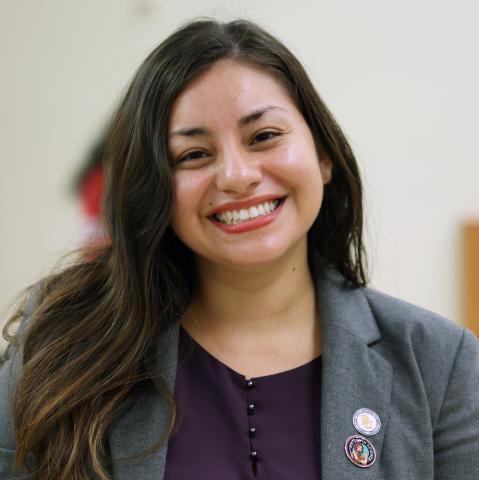
When departments look for students to become ambassadors, it’s a given that potential candidates must have a good GPA as well as success in coursework in their major. But having good grades alone is not enough, since ambassadors must also have the “people skills” which allow them to communicate well with prospective students and their parents, as well as their peers.
“There are students who might be really great in the classroom and laboratory, but for whatever reason they might not feel comfortable having meetings with students or parents,” said Dr. Karenna Malavanti, a senior lecturer in psychology and neuroscience who oversaw that department’s student ambassador program in her role as undergraduate program director. “We try to make it clear that one-on-one communication is part of the job, because our ambassadors become some of the public faces of our department.”
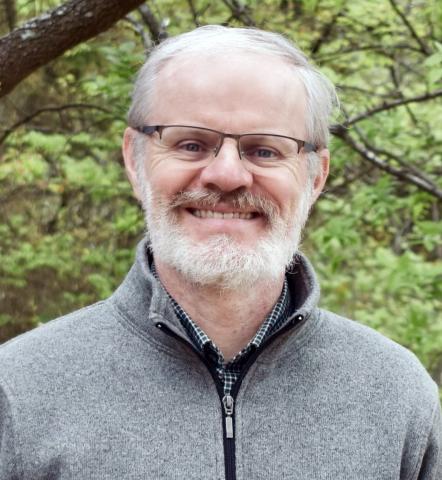
“Our student ambassadors can’t just be good academically –– they have to talk with students and their parents, so they need to be good socially as well,” said Dr. Thomas McGrath, senior lecturer in chemistry and biochemistry and the department’s undergraduate program director. “They need to have the whole package.”
After being chosen, student ambassadors are paid hourly wages by their departments, and are considered on-campus student workers hired through guidelines established by Baylor Human Resources. Once on the job, they begin helping academic departments in two major areas –– student recruiting and retention.
Regular training
On behalf of the Arts & Sciences Dean’s Office, Wisely hosts two professional development training sessions each year for the 25 to 30 student ambassadors working across nine departments. The session held every August sends the students on a treasure hunt to learn about all the variety of support systems in place on campus, from what is available through the newly renamed Office of Student Success and Engagement (OSSE) as well as the One Stop Student Financial Services.
The January student ambassador training session centers on communication, including how to read nonverbal signals and succinctly speak about one’s major –– both helpful skills needed to work at Baylor recruiting events held every winter and spring.
Campus tours
The 25 academic departments and two programs within the College of Arts & Sciences play host to thousands of prospective students and their parents each year. Many come to Baylor as part of official campus visits arranged through Undergraduate Admissions. During their time on campus, a fair number of these students ask to tour the same classrooms, laboratories and study spaces they would use if they came to Baylor to pursue the fields of study they are interested in.
The number of prospective students and parents requesting these personal tours of departments far exceeds the ability of Baylor’s admissions staff to provide for them. That’s where student ambassadors are now playing an important role –– especially in the most-populated Arts & Sciences departments.
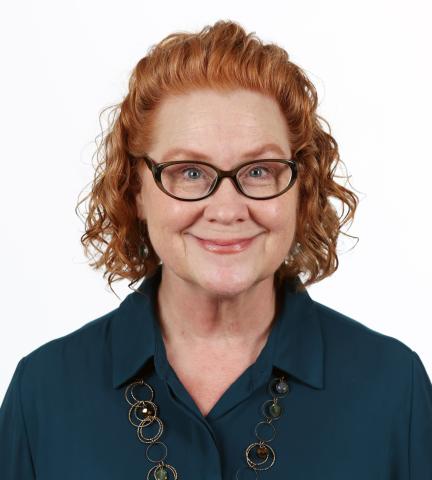
For example, the student ambassadors employed by the Department of Biology keep busy year-round giving tours inside the Baylor Sciences Building.
“When visitors want a tour of the biology department, they will ask someone from the Baylor Visitors Experience staff, who in turn will call or email one of our student ambassadors,” said Dr. Dana Dean, senior lecturer in biology and the undergraduate program director for the department. “Because biology has become such a sought-after degree, our ambassadors provide tours every week, and almost every day, throughout the fall and spring semesters. This kind of outreach is very important to us.”
Malavanti said that the psychology and neuroscience department has standing meeting times for their student ambassadors which the admissions office can schedule prospective students and parents into.
“In those meetings, our ambassadors give out a lot of information in a paper format, as well as through a PowerPoint presentation and a Q&A,” Malavanti said. “The ambassadors also give our visitors a tour of the laboratories and offices, and end the tours with a look at where some of their psychology and neuroscience classes will be taught.”
Student ambassadors typically say that being able to introduce prospective students to Baylor is their favorite part of the job.
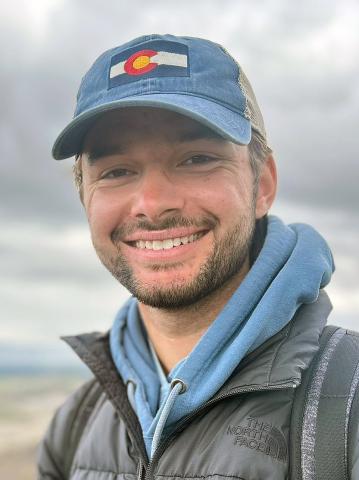
“It’s very fulfilling, because I get to share my collegiate experience with students,” said Cody Wangen, a senior environmental studies major and student ambassador. “I had a rough start to my college career, but once I transferred to Baylor my life got better in every way. I want to help other people choose Baylor so they can start the best years of their life.”
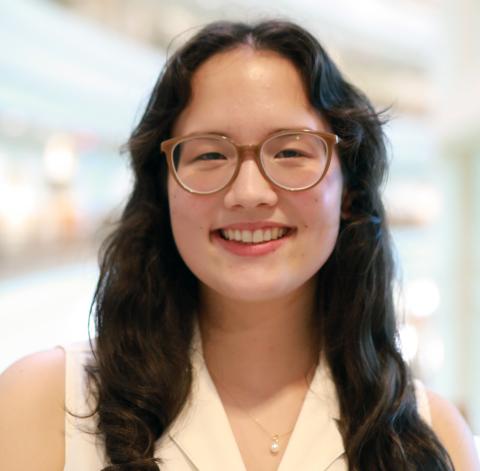
Sarah Beno, a senior biology major and student ambassador, said, “I love giving tours of the Baylor Sciences Building to prospective students –– not only because it helps me practice communication, but it’s also unpredictable in a thrilling way. Each student is different, so no tour is ever the same.”
During these departmental tours, faculty members are often on hand as well to greet students and their parents and answer any questions they might have. But even when prospective students schedule meetings directly with faculty members in a department, student ambassadors are sometimes there as well to answer questions.
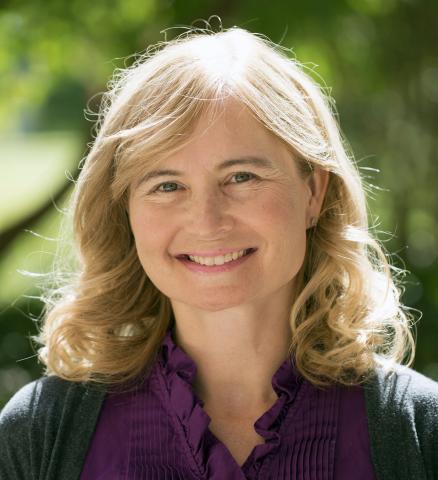
“It’s interesting how the prospective recruits often have different kinds of questions for the ambassadors, so it’s helpful that they are there,” said Julie King, senior lecturer and undergraduate program director in environmental science. “It’s a great asset having students talking to students, and I find that the recruits can ask the ambassadors things that they wouldn’t necessarily expect our faculty members to know –– or that maybe they would feel less comfortable asking a faculty member about.”
Besides leading small-group campus tours, student ambassadors aid recruiting efforts in other ways.
Recruiting events
Each semester, Baylor University hosts a number of special events that bring thousands of prospective students to the Baylor campus. Three of the most popular include: Baylor Premiere, an all-day, in-person open house that includes campus tours and sessions to learn about academic offerings and campus services; Invitation to Excellence, a competitive program that allows elite students a chance to visit with faculty from all Baylor academic departments and earn scholarships; and Distinguished Scholars Day, an invitation-only program designed to showcase various academic disciplines and allow students to compete for scholarships.
Arts & Sciences student ambassadors typically attend all of these special events, spending their time talking with prospective students and their parents.
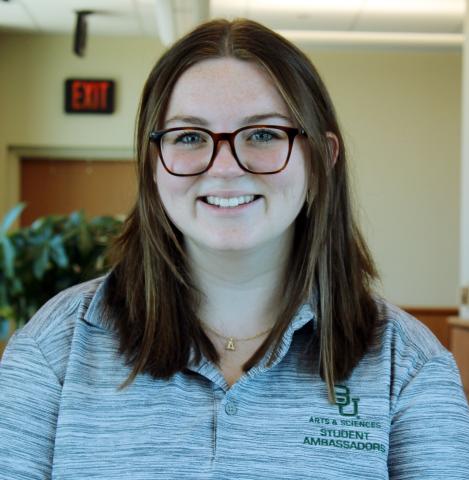
“When our student ambassadors attend events such as Premiere and Invitation to Excellence, they do a lot to support the chemistry and biochemistry department,” McGrath said. “When they talk to the visiting students, they are able to give them a different perspective than what I might give them. They can share information that faculty members might not think is as important to prospective students as it turns out to be. The ambassadors play an important role in the success of these large recruiting events.”
“Whether the families I meet with have questions about housing or about the Waco and Baylor communities, I can give my genuine perspective on their questions,” said Alyssa Vining, a senior psychology major and student ambassador. “I have had parents tell me that Baylor is the first university they have toured where they have gotten to speak with real students about their real life on campus.”
Ava Roat, a senior student ambassador majoring in both biology and Spanish, said that during these events, “It’s very rewarding to offer some peace for students and families in the decision-making process, and answer some questions I wish I’d had the answers to when I was a senior in high school.”
Keeping in touch
Whether a prospective student eventually ends up choosing to attend Baylor or not, once they are on the University’s radar the Arts & Sciences student ambassadors do their best to maintain contact with them through a variety of means.
For example, student ambassadors in the Department of Biology seek to keep in touch not only with prospective students, but with current students as well. They created a monthly newsletter, which is sent by email to inform both recruits and biology majors about events happening within the department and around campus, and which contains profile articles about both faculty and students.
Like their student ambassador peers in other departments, the biology ambassadors may use social media platforms such as Instagram to post information about upcoming events, spotlight individual students, advertise internships and research opportunities and provide study guides and tip sheets. In addition, biology ambassadors spend hours at tables they set up during peak periods such as Welcome Week, registration and during final exams. There, they meet with students and offer both academic tips and a few tasty snacks.
“At least three times a year, our student ambassadors contact (prospective) students to let them know, ‘Hey, we’re thinking about you.'"
--Dr. Dana Dean
Also, a new tradition that’s quickly become popular is for the biology ambassadors to create a humorous but informative Christmas video, which is sent out to all current students and prospective biology majors.
“I’ve had a number of our current students who received the Christmas video while they were still considering Baylor tell me, ‘Oh, when I got that video, it was so amazing,’” Dean said.
Student ambassadors in the psychology and neuroscience department make use of regularly updated lists of students who have applied to Baylor with an interest in those fields of study to reach out.
“At least three times a year, our student ambassadors contact those students to let them know, ‘Hey, we’re thinking about you –– let us know if you have any questions,’” Malavanti said.
Besides playing an important role in attracting new students to the College of Arts & Sciences, student ambassadors are charged with helping their departments support current students in finding success at Baylor. To do this, ambassadors are involved in a number of projects that help students do well in classes, make friends and get connected to campus groups and events.
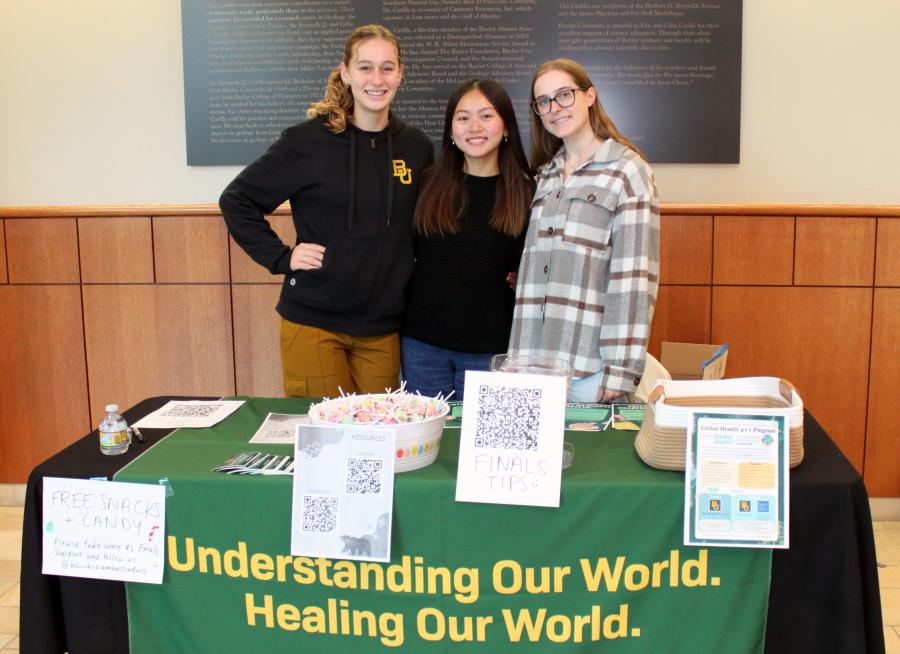
Mentoring peers
Student ambassadors are expected to help their fellow students, especially those in their first year at Baylor, navigate their way to success.
“Our student ambassadors in environmental science are very beneficial because they allow new students to connect with students who are established in the department,” King said. “We have chosen our ambassadors based on their degree paths –– we have those seeking both Bachelor of Arts and Bachelor of Science degrees –– so that they can speak to those different pathways within our department. And we encourage our ambassadors to engage first-year students from day one.”
“Our student ambassadors are very beneficial because they allow new students to connect with students who are established.”
--Julie King
Some of the larger departments, including chemistry and biochemistry, biology, and psychology and neuroscience, require each of their ambassadors to be available during regular “office hours” each week –– either in a designated room in the department, or in other locations agreed on by the students. During these times, the student ambassadors act as mentors to their peers, offering advice on things such as how best to study for exams, ways to get involved in research labs and outside internships, and how best to investigate minors and certificate programs within the department.
“I think we do a good job of letting our psychology and neuroscience students know that the student ambassadors are trusted by the faculty, and that they have diverse experiences to share which could really help them succeed,” Malavanti said. “We think students will want to connect with them because they’ve shown they are successful in what they have pursued.”
“This idea builds on Albert Bandura’s theory of self-efficacy,” Wisely said. “In other words, seeing someone like yourself who is successful as a student builds your own confidence in being successful. We want to help prospective and current students envision meeting with academic and social success at Baylor.”
Fostering community
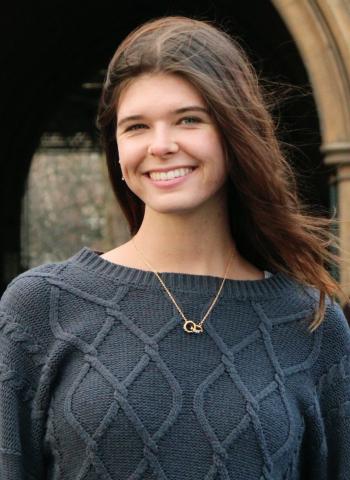
One of the most significant ways that student ambassadors can help their peers decide to stay at Baylor is by making sure that students know and feel a sense of community within the department and as a part of the larger University.
“Many of the students I interact with are underclassmen who are often struggling with challenging subjects,” said Kayley Franklin, a senior biochemistry major and student ambassador. “What I can offer is encouragement and empathy. Starting something new is never easy, and a reminder that everyone faces similar challenges can be just what someone needs to hear.”
“I find it especially rewarding to play a role in helping students feel more confident in their academic and career decisions while fostering a sense of belonging in our department,” said Evan Farach, a senior neuroscience major and student ambassador.
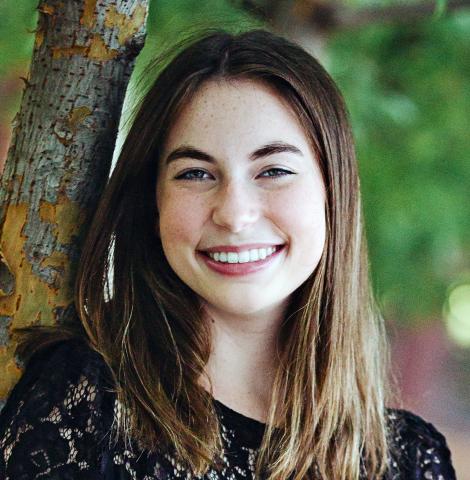
Mackenzie Eubank, a junior international studies major and a student ambassador in the political science department, said relationship building is the favorite part of her job.
“I love being able to bring together international studies majors and minors,” she said. “I want everyone to be able to know each other.”
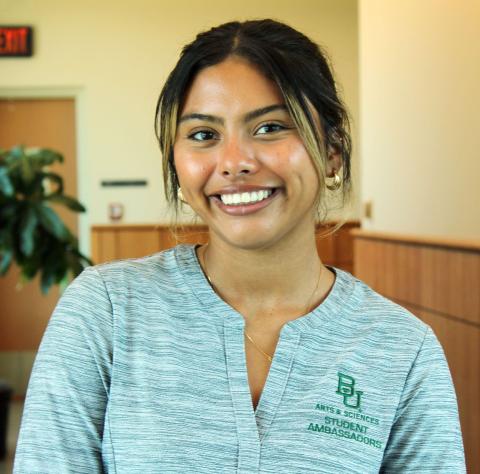
Neveah Martinez, a senior psychology major and student ambassador, said that during her freshman year at Baylor, it was student ambassadors who motivated her to take the initiative and challenge herself to become more involved on campus.
“It’s incredibly fulfilling for me to now be in a position where I can pass on that knowledge and encouragement to students who are on a similar place in their journey,” she said.
Student ambassadors can also help their student peers be more comfortable with academic and career decisions.
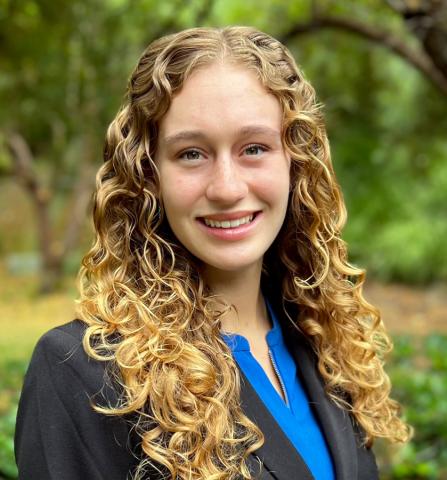
“I have developed a strong interest in biomedical research, and I plan to pursue a Ph.D. degree with a focus on therapeutic development. I often meet students who feel torn, much like I did, because they love biology but do not feel drawn to a career in medicine,” said Maya Cappellino, a senior biology major and student ambassador. “I enjoy sharing the variety of research opportunities available, as well as information about other healthcare professions. It’s very fulfilling to see students relax and gain confidence when they realize there are many paths to explore, and that Baylor’s faculty will support them every step of the way.”
“Because of the efforts put forth by our student ambassadors, we see that our students feel known. And in a disconnected society such as ours, being known is truly important,” Malavanti said. “It’s speaking to why people choose to come to Baylor and stay at Baylor, and that’s why the ambassadors are an integral part of our department.”
Academic support
Though student ambassadors are not equipped or intended to take the place of the professional academic advisors in the College of Arts & Sciences Advisement (CASA) office, ambassadors often end up helping their fellow students with problems and questions related to coursework.
“An example of something our ambassadors tell me they might talk about during their office hours with students is, ‘Do you think it’s a good idea to take physics and genetics and an organic chemistry lab during the same semester?,’” McGrath said. “Or, they could probably give their opinion on what a certain professor is like, and discuss his or her teaching style.”
In the psychology and neuroscience department, student ambassadors sometimes hold their own panel discussions and invite students to attend.
“They’ll answer questions about things like registration, planning a good schedule, preparing for the comprehensive finals in the sciences, and the best ways to study,” Malavanti said.
In the biology department, where certain classes might have more than 100 students enrolled, student ambassadors are called upon to help proctor exams.
“When you have 104 students in a large room taking an exam, you can always use a few more eyes just to keep it all on the up and up,” Dean said.
Special projects
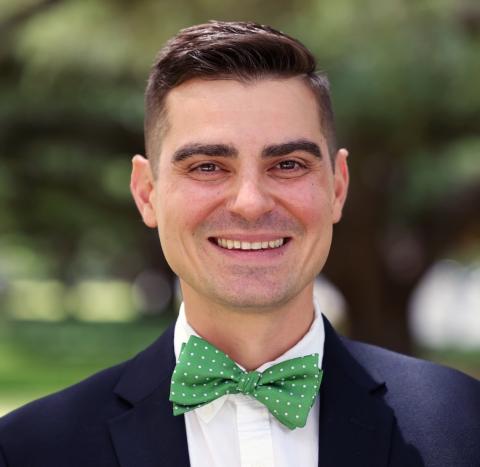
In addition to interacting with their fellow students, sometimes the student ambassadors take on special projects with faculty within their departments. The student ambassador for the history department, Krystal Tan, a senior majoring in both history and political science, has been involved on two special projects with her supervisor, Dr. Daniel Watkins, associate professor of history.
“Right now, we’re brainstorming and planning a video to highlight the history department, which involves coordinating with individuals who can help bring this idea to life,” she said.
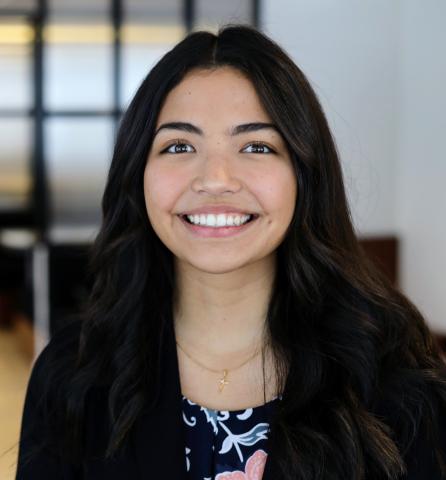
Tan has also helped the department by doing surveys of history students.
“Krystal has given surveys to students to get their opinions and feelings on everything from why they became history majors to what they’re planning to do after they graduate,” Watkins said. “That’s a lot of what we’re doing together –– thinking through career development and ways to help our majors be ready for careers when they graduate.”
Anna Kate Elkins, a senior journalism major, said her job as the department’s student ambassador has helped her gain a closer relationship with her professors.
“It’s so encouraging to see how much work goes into everything the professors do behind the scenes, and I love being a part of those processes,” she said.
Lasting advantages
Besides receiving satisfaction from helping others, Arts & Sciences student ambassadors gain skills that will come in handy throughout their lives.
“They are great leaders with a service heart who feel good about helping the next person in line,” Dean said. “They also become great speakers, with almost Ph.D.-level presentation skills.”
“I have always been a social person, but being a student ambassador in environmental science has turned me into a great professional speaker,” Wangen said. “I can now easily communicate with professionals and make connections with strangers.”
"I have always been a social person, but being a student ambassador has turned me into a great professional speaker. I can now easily communicate with professionals and make connections with strangers.”
--Cody Wangen
By working closely with departmental faculty and Baylor administrators, student ambassadors also leave campus with an insider’s look at how higher education operates.
“Our ambassadors get to see how a university works, so they can think through if maybe that’s something they might want to be a part of someday,” King said.
“Student ambassadors benefit by developing communication skills and seeing ‘under the hood’ of their university by working with administration, while at the same time faculty members get assistance in representing their department and supporting their many majors. It’s a win-win,” Wisely said. “We look forward to further growing the program across the College of Arts & Sciences.”
STUDENT AMBASSADORS IN PHOTO AT TOP (left to right): Emily Meadows (statistical science); Reese Payson (anthropology); Qorban Scott (chemistry and biochemistry); Sarah Beno (biology); Cody Wangen (environmental science): Dr. Lynn Wisely (Arts & Sciences Dean's Office). Photo by Christian Clark/Baylor University
This article originally appeared in the Spring 2025 issue of Baylor Arts & Sciences magazine.
ABOUT THE COLLEGE OF ARTS & SCIENCES AT BAYLOR UNIVERSITY
The College of Arts & Sciences is Baylor University’s largest academic division, consisting of 25 academic departments in the sciences, humanities, fine arts and social sciences, as well as 11 academic centers and institutes. The more than 5,000 courses taught in the College span topics from art and theatre to religion, philosophy, sociology and the natural sciences. The College’s undergraduate Unified Core Curriculum, which routinely receives top grades in national assessments, emphasizes a liberal education characterized by critical thinking, communication, civic engagement and Christian commitment. Arts & Sciences faculty conduct research around the world, and research on the undergraduate and graduate level is prevalent throughout all disciplines. Visit the College of Arts & Sciences website.