

Slavic and East European Studies Minor to Be Offered in Arts & Sciences
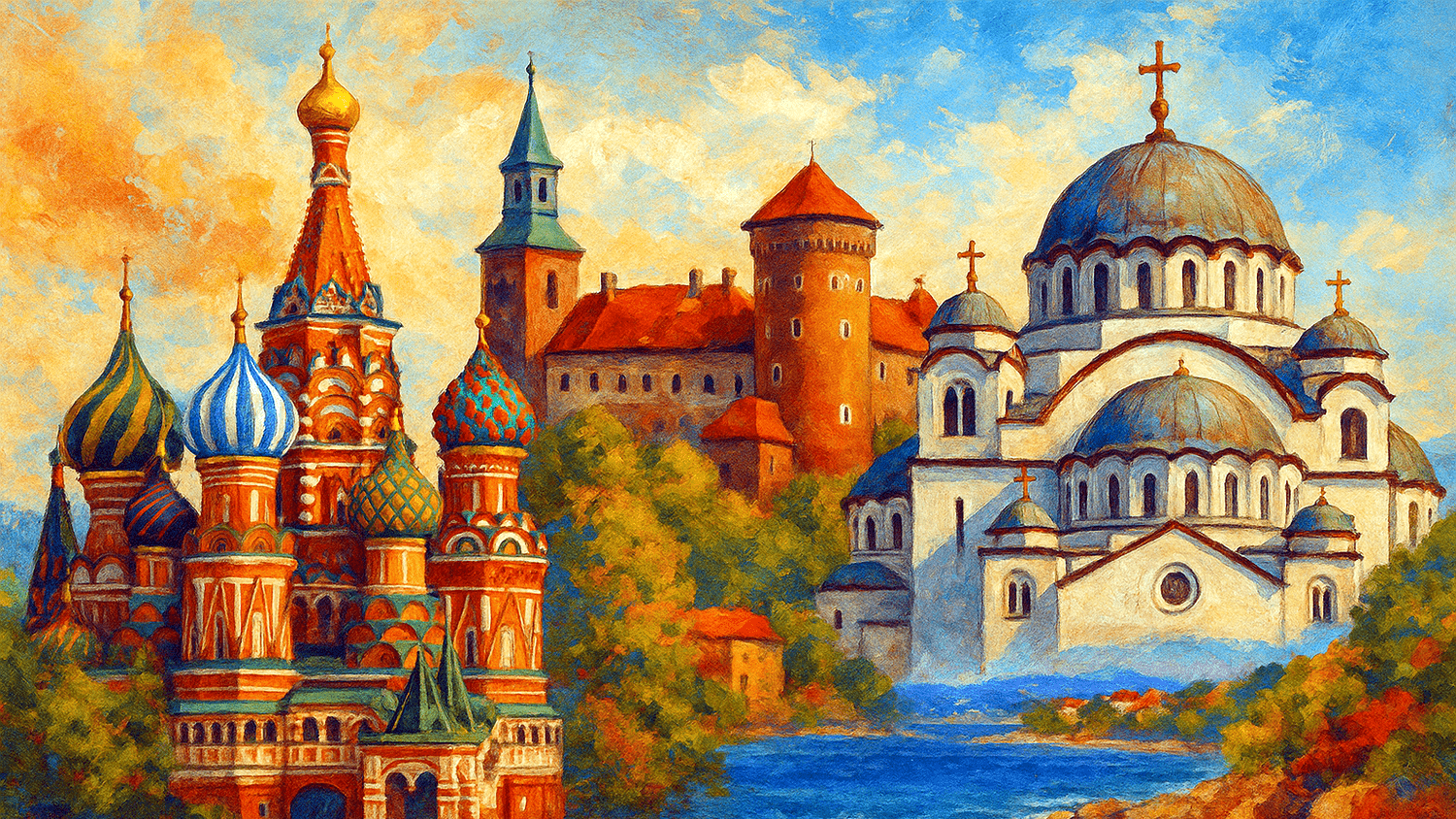
A new minor in Slavic and East European Studies will debut in the Baylor University College of Arts & Sciences beginning with the Fall 2026 semester. The interdisciplinary major requires 18 semester hours of coursework, and complements other minors in the Office of Interdisciplinary Programs which focus on Asian, Latin American and Middle Eastern studies.
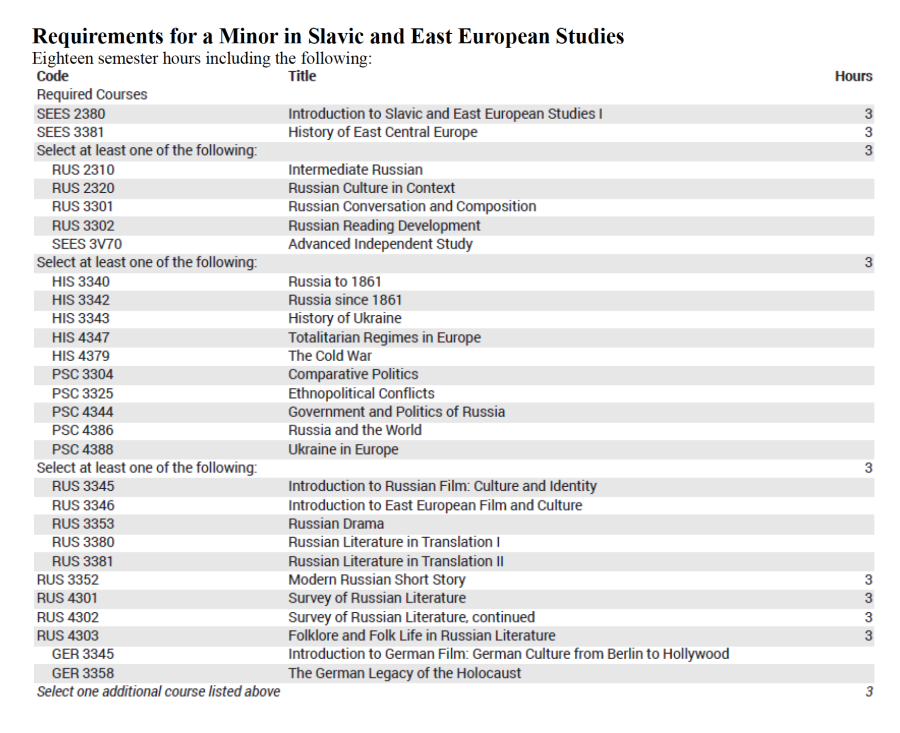
To earn the minor, students must complete two required three-hour courses –– Introduction to Slavic and East European Studies, and History of East Central Europe. The remaining 12 hours must be selected from a list of 26 additional courses dealing with the language, history, folklore and culture of Russia and other Slavic countries, including Ukraine and Germany. The courses originate in the Arts & Sciences departments of modern languages and cultures, history and political science.
Topics covered in the course list include surveys of Russian history, language and literature, as well as studies of Ukraine and other subjects such as the Cold War, totalitarian regimes in Europe, ethnopolitical conflicts, Russian, German and East European film and culture, and the German legacy of the Holocaust.
Heritage speakers of Slavic and East European languages can satisfy the language requirements of the minor through earning credit by exam, or by completing inexpensive study away programs.
Other languages which apply to the minor will also be offered on occasion. These include Czech, offered in the Fall 2026 semester, and Georgian, offered in the Spring 2027 semester. The Slavic and East European Studies area studies program hopes to offer Ukrainian as an additional language in the fall of 2027.
Dr. Steven G. Jug, a senior lecturer in history who teaches a number of courses which apply to the new minor, said that it should attract interest from students across the Baylor campus.
“This new minor will complement many other majors and areas of study, such as political science, business and even science and technology fields, including engineering,” Jug said. "It will allow students with an interest in this region to learn more about it without having to commit to the hours needed for a major.”
Jug said that interest in the region has grown recently among students.
“After the war between Russia and Ukraine began, our History of Ukraine course was full the following three semesters, and we’ve had full enrollment in special topics courses on Russian history and Slavic studies as well,” he said. "There’s a lot of student awareness and interest, and it’s been heartening that they want to be well-informed about this part of the world before they leave Baylor.”
Dr. Adrienne Harris, associate professor of Russian and the co-director of Slavic and East European Studies in the Department of Modern Languages and Cultures, said the students she’s seen in her classes have a great desire to learn more about the topics touched on in the new minor.
“These students are very serious and very committed. They want to understand what is going on, and they’re very interested in the region as a whole,” she said. "They’re very curious."
For more information on the Minor in Slavic and East European Studies, contact Dr. Steven Jug or Dr. Adrienne Harris.
None of the original writing contained in this story was created with the use, in whole or in part, of artificial intelligence (AI).
ABOUT THE COLLEGE OF ARTS & SCIENCES AT BAYLOR UNIVERSITY
The College of Arts & Sciences is Baylor University’s largest academic division, consisting of the School of Earth and Environmental Sciences and 24 academic departments in the sciences, humanities, fine arts and social sciences, as well as 12 academic centers and institutes. The more than 5,000 courses taught in the College span topics from art and theatre to religion, philosophy, sociology and the natural sciences. The College’s undergraduate Unified Core Curriculum, which routinely receives top grades in national assessments, emphasizes a liberal education characterized by critical thinking, communication, civic engagement and Christian commitment. Arts & Sciences faculty conduct research around the world, and research on the undergraduate and graduate level is prevalent throughout all disciplines. Visit the College of Arts & Sciences website.